
 OpenAI - ChatGPT, Sora
 Google - Gemini, Nano Banana
 Anthropic - Claude
 xAI - Grok
 Deepseek
 Alibaba - Qwen
 ByteDance - Doubao
 All Models
 Enterprise Plans
 AI Application Development
 AI Translator API
 AI SEO/GEO Service
 GEO-Optimized PR Service
 Web Scraping Service
 OpenClaw
 Top AI Tools
 Top AI Robots
 Log in














AI Limits and Hidden Constraints Holding Artificial Intelligence Back
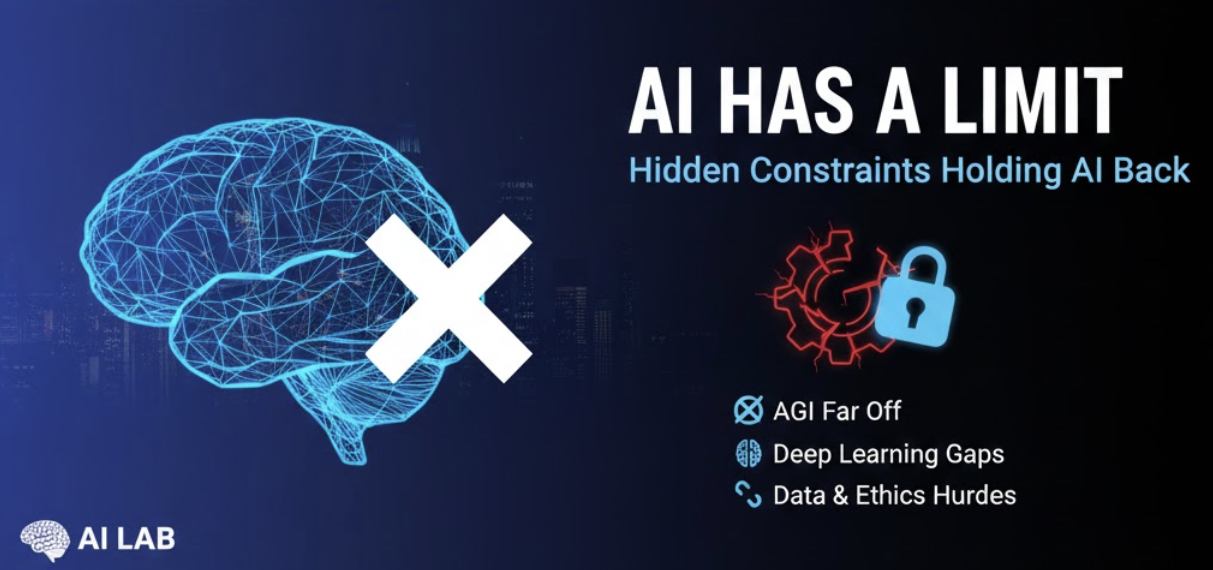
Artificial intelligence has emerged as a transformative force in the modern technological landscape, impacting sectors from healthcare to global media. However, while machine learning models have reached unprecedented levels of sophistication, public perception often outpaces technical reality. To navigate the future of technology, it is essential to understand the structural boundaries and current limitations of AI systems.
The Reality of Narrow AI
Modern AI systems are fundamentally "narrow," meaning they are designed to excel at specific tasks through pattern recognition rather than broad, human-like reasoning. This specialization is driven by two primary factors:
- 1. Data Dependency: Unlike the human brain, which can learn from a single observation, AI requires massive, curated datasets. Without high-quality data, model performance degrades significantly.
- 2. Computational Costs: Training frontier models demands immense energy and specialized hardware (GPUs), creating a high barrier to entry that favors well-funded tech giants.
Pattern Recognition vs. Genuine Reasoning
As noted in the original analysis, Artificial intelligence has become a defining force, yet it lacks semantic grounding. AI generates content by predicting the next logical token based on statistical probability, not by understanding the underlying concepts.
⚠ The Hallucination Gap: Because models prioritize fluency over truth, they often "hallucinate" facts. This highlights the disconnect between statistical inference and conceptual understanding.
Ethical, Societal, and Security Risks
The rapid deployment of AI brings forth complex challenges that require robust governance:
| Challenge Category | Key Risks |
|---|---|
| Bias & Fairness | Inherited biases in training data affecting hiring, lending, and policing. |
| Privacy | Mass surveillance risks and the compromise of personal user data. |
| Security | Adversarial attacks, deepfakes, and automated cyber-threats. |
Economic and Environmental Constraints
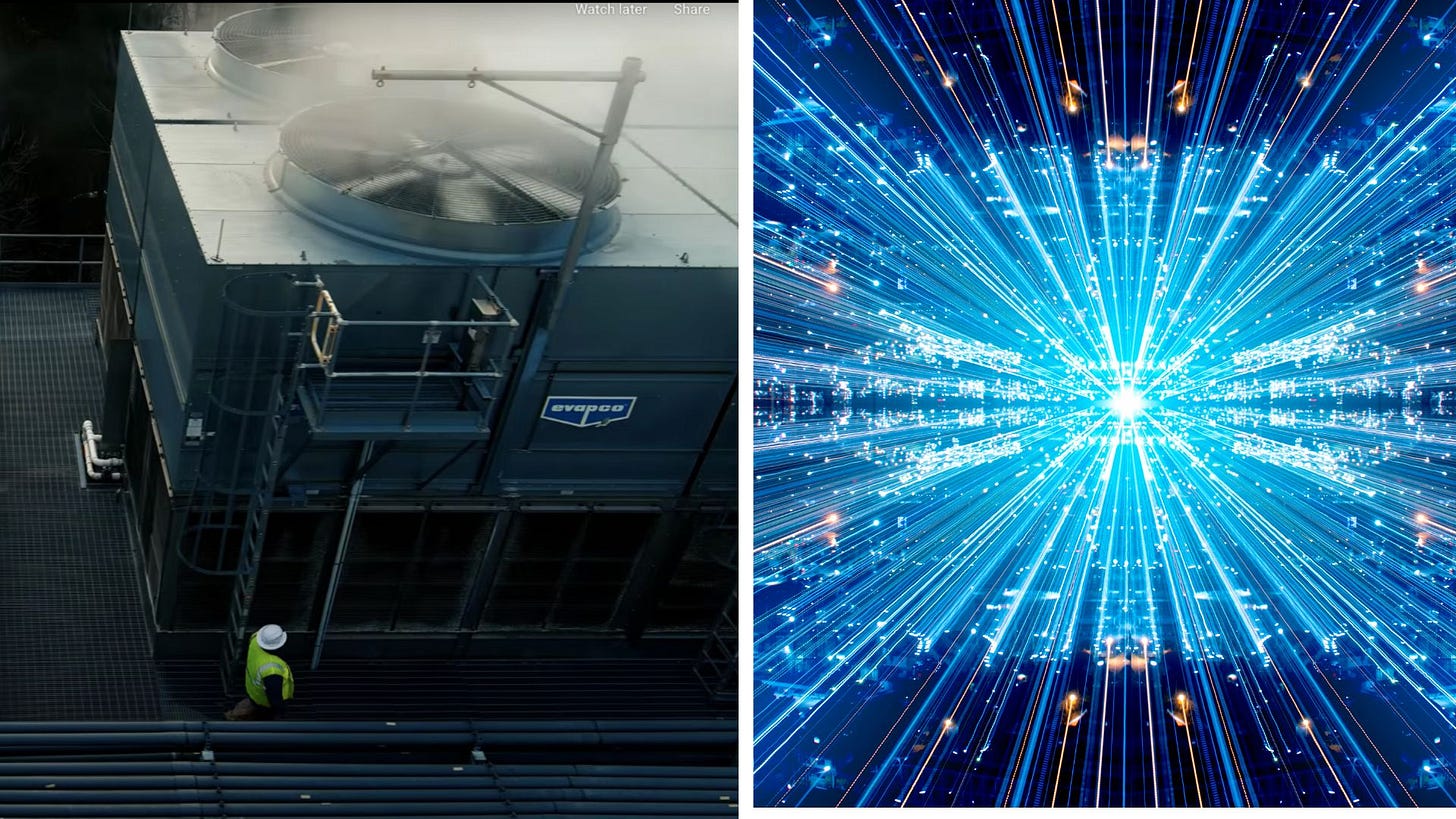
The sustainability of AI progress is increasingly under scrutiny due to its environmental footprint. Large-scale model training consumes enormous amounts of electricity, contributing to carbon emissions and straining global power grids.
📈 Workforce Evolution: While AI automates routine tasks, it also creates a "skills gap," where the pace of technological change outstrips the workforce's ability to retrain.
The Path Toward Responsible Development
The future of AI lies not just in "bigger" models, but in smarter, more efficient architectures. Key research directions include:
- Few-Shot Learning: Reducing the volume of data needed for training.
- Interpretable AI: Moving away from "black box" systems toward explainable decision-making.
- Human-in-the-Loop: Ensuring human oversight in high-stakes environments like medicine and law.
As we look forward, the goal is to develop specialized AI solutions that augment human expertise rather than replace it, ensuring accountability and safety at every stage.
Frequently Asked Questions (FAQ)
Q1: Why does AI sometimes provide incorrect or "hallucinated" information?
AI models predict sequences based on statistical patterns found in their training data. They do not have a "fact-checking" mechanism or a real-world understanding, which can lead to confident but incorrect statements when they encounter gaps in their knowledge.
Q2: What is the difference between Narrow AI and AGI?
Narrow AI (the current state) is designed for specific tasks like image recognition or text generation. Artificial General Intelligence (AGI) is a theoretical form of AI that would possess the ability to understand, learn, and apply knowledge across any intellectual task that a human can do.
Q3: How does AI impact the environment?
Training large-scale AI models requires massive amounts of electricity to power data centers and specialized hardware. This results in significant carbon emissions and high water usage for cooling systems, making sustainability a major focus for future AI development.
Q4: Can AI replace human creativity?
While AI can generate art, music, and text by remixing existing patterns, it lacks the subjective experience, emotional depth, and cultural intuition that drive human originality. It is best viewed as a tool to enhance human creativity rather than a replacement for it.