
 OpenAI - ChatGPT, Sora
 Google - Gemini, Nano Banana
 Anthropic - Claude
 xAI - Grok
 Deepseek
 Alibaba - Qwen
 ByteDance - Doubao
 All Models
 Enterprise Plans
 AI Application Development
 AI Translator API
 AI SEO/GEO Service
 GEO-Optimized PR Service
 Web Scraping Service
 OpenClaw
 Top AI Tools
 Top AI Robots
 Log in





Grok vs ChatGPT Features Speed and Best Use Case Comparison
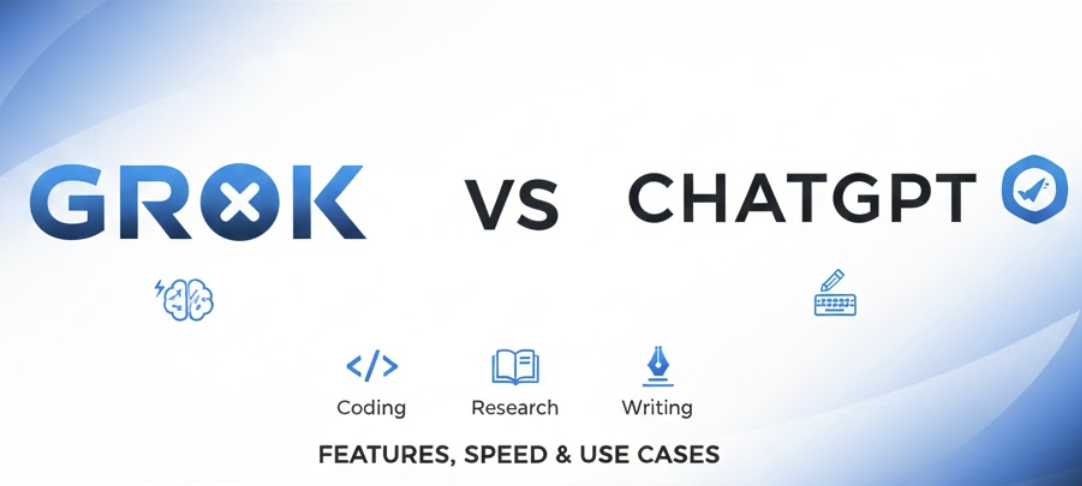
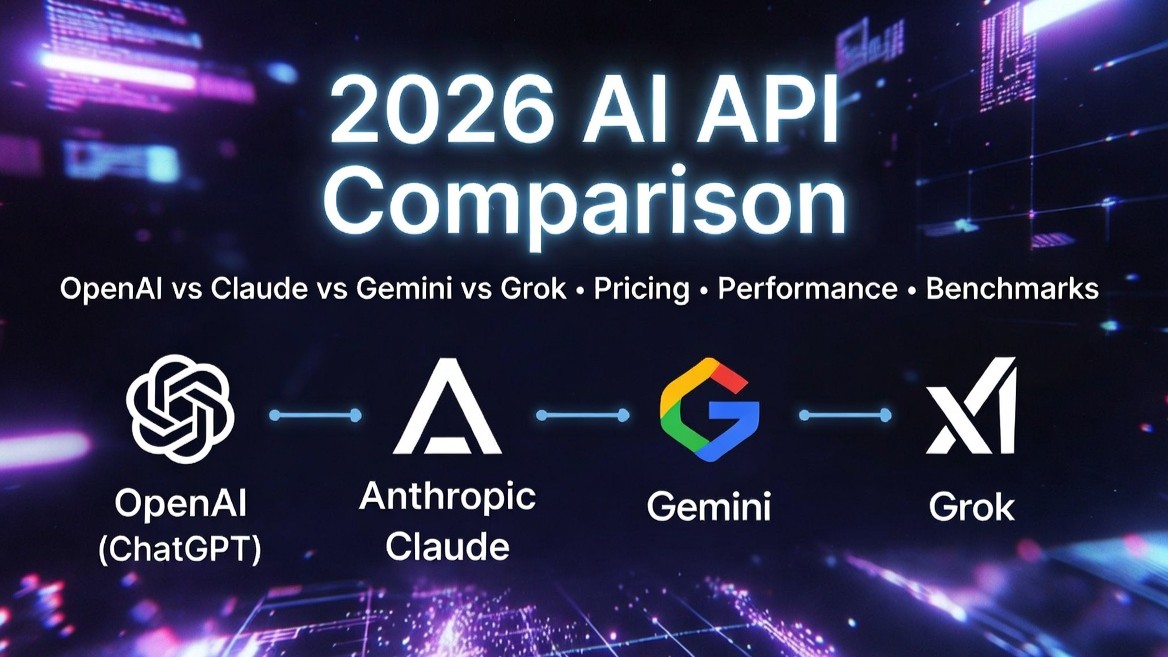
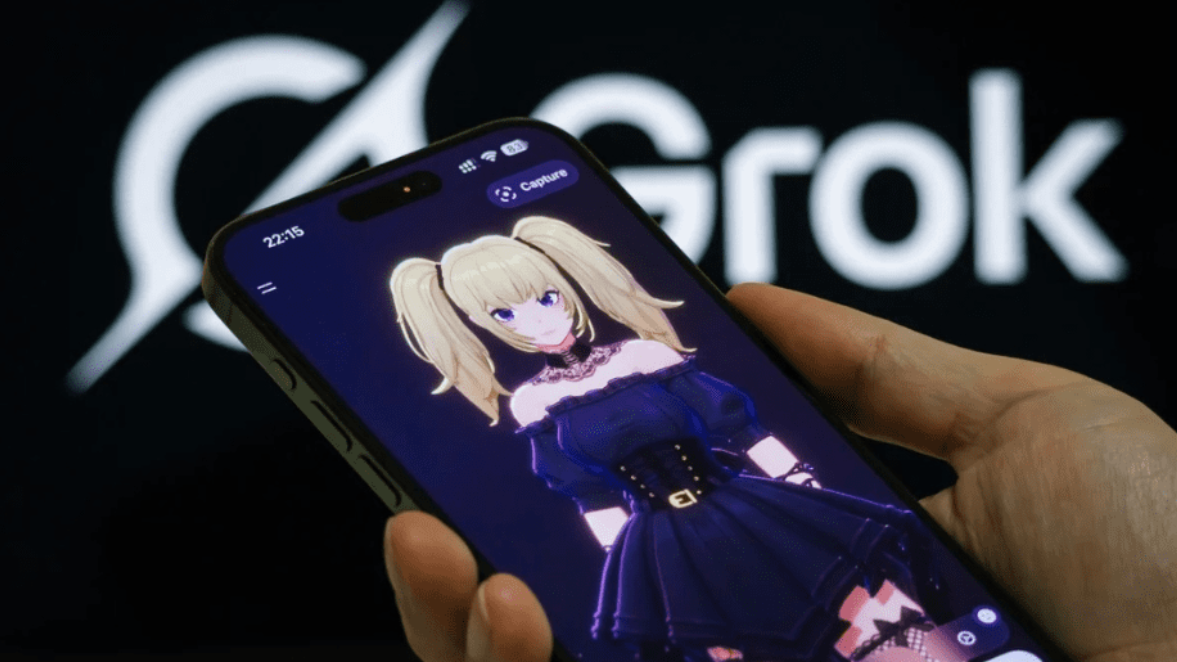
The landscape of generative AI is currently defined by two titans: OpenAI’s industry-standard assistant and xAI’s challenger, Grok. While one focuses on professional versatility, the other thrives on real-time data and personality. As explored in the original comparison {Grok vs ChatGPT: Comparison of features, speed, and use cases}, choosing the right tool requires understanding their contrasting philosophies and technical foundations.
Core Philosophies & Market Positioning
OpenAI has positioned its flagship tool as a polished, safety-first productivity engine. Deeply integrated with the Microsoft ecosystem, it is designed for users who prioritize accuracy, structured reasoning, and professional reliability. It acts as a versatile "digital brain" for students and enterprises alike.
💡 The Grok Difference: Backed by Elon Musk, Grok aims to "understand the true nature of the universe." It distinguishes itself through candor, wit, and a "rebellious" streak, leveraging a massive advantage: direct, real-time access to the X (formerly Twitter) data stream.
Technical Architecture & Performance
| Feature | ChatGPT (OpenAI) | Grok (xAI) |
|---|---|---|
| Data Source | Massive web crawl & licensed data | Real-time X (Twitter) firehose |
| Primary Strength | Complex reasoning & coding | Breaking news & trend analysis |
| Persona | Neutral, helpful, professional | Witty, edgy, conversational |
| Multimodality | Advanced (Vision, Voice, DALL-E) | Rapidly evolving (Text, Voice, Image) |
Deep Dive: Which AI Wins in Real-World Tasks?
👨💻 Coding and Development
✍️ Content Creation and Writing
Your choice here depends entirely on the intended medium:
- For Long-form: Use OpenAI. It excels at structured articles, whitepapers, and formal reports where tone consistency is paramount.
- For Social Media: Use Grok. Its built-in humor and awareness of viral trends make it perfect for crafting engaging posts, threads, and short-form scripts with "edge."
🔍 Research and Real-Time Insights
ChatGPT's web browsing feature is powerful but often feels like a secondary layer. In contrast, Grok is natively real-time. If you need to monitor market sentiment, track a breaking news event as it happens, or see what people are saying about a brand right now, Grok's integration with X is a game-changer that standard web-search models cannot replicate.
Pricing and Availability
OpenAI Model
Freemium: Free access available with standard models. Paid tiers (Plus/Team) start at $20/month for GPT-4o, DALL-E 3, and advanced data analysis.
xAI (Grok) Model
Subscription-Based: Exclusively available to X Premium/Premium+ subscribers. Pricing starts around $8-$16/month, bundling AI access with social media perks.
Known Constraints
- ChatGPT: Stricter safety filters can lead to "refusals" on certain prompts; knowledge cutoffs exist without active web search.
- Grok: Reliance on X data can occasionally lead to hallucinations based on unverified social media reports; requires an X account.
Conclusion: Professional reliability vs. Dynamic social intelligence. Which will you choose?
Frequently Asked Questions
Q1: Is there a free version of Grok available?
No. Currently, Grok is a gated feature available only to paid subscribers of the X platform (Premium or Premium+ tiers).
Q2: Which AI is better for factual accuracy in research?
For historical data and general knowledge, ChatGPT is generally more reliable. However, for events occurring in the last 24 hours, Grok provides more immediate, albeit sometimes unverified, information.
Q3: Can Grok generate images like ChatGPT?
Yes, the latest iterations of Grok (integrated with models like Flux) allow for image generation directly within the X interface, similar to ChatGPT’s DALL-E 3 integration.
Q4: Does ChatGPT have real-time data access?
ChatGPT uses "Search with Bing" to access the live web, but it is not as natively integrated with a live social stream as Grok is with X.