
 OpenAI - ChatGPT, Sora
 Google - Gemini, Nano Banana
 Anthropic - Claude
 xAI - Grok
 Deepseek
 Alibaba - Qwen
 ByteDance - Doubao
 All Models
 Enterprise Plans
 AI Application Development
 AI Translator API
 AI SEO/GEO Service
 GEO-Optimized PR Service
 Web Scraping Service
 OpenClaw
 Top AI Tools
 Top AI Robots
 Log in











Welcome to the future of work, where artificial intelligence isn't just a buzzword—it's your ticket to financial independence. As we sit here in early 2026, the AI revolution has accelerated beyond what many predicted just a few years ago. With advancements in large language models, autonomous agents, and seamless integration into everyday business tools, creating and deploying AI agents has become accessible to anyone with a bit of technical savvy and entrepreneurial spirit.
If you're wondering how to turn this tech wave into a steady $10,000 per month income stream, you're in the right place. This comprehensive guide will walk you through the steps, strategies, and real-world insights to make it happen.

First, let's set the stage. AI agents are intelligent software programs that can perform tasks autonomously, learning from interactions and adapting over time. Unlike simple chatbots, these agents can handle complex workflows, make decisions, and even collaborate with other systems. In 2026, with tools like Grok 4 from xAI, OpenAI's latest iterations, and open-source frameworks like LangChain and AutoGPT evolving rapidly, the barrier to entry has plummeted.
Why $10K/month specifically? It's an achievable milestone for many side hustlers turning into full-time entrepreneurs. According to recent reports, the global AI market is projected to surpass $1.8 trillion by 2030. Freelancers and small business owners are already earning six figures by building custom AI solutions. Imagine automating social media management, creating personalized learning tutors, or developing sales bots that close deals while you sleep.
Understanding AI Agents: The Building Blocks of Your Empire
To make money with AI agents, you first need to grasp what they are and how they work. At their core, AI agents are software entities that perceive their environment, reason about it, and take actions to achieve specific goals. In 2026, these aren't sci-fi concepts; they're practical tools powering everything from customer service to content creation.
- Perception: Gathering data from sources like user inputs, databases, or sensors.
- Reasoning: Using models like GPT-5 or Grok derivatives to process information and make decisions.
- Action: Executing tasks via tools, such as sending emails, generating reports, or controlling IoT devices.
- Learning: Improving over time through reinforcement learning or fine-tuning.
In practice, platforms like Hugging Face and Vercel make deployment straightforward. You can build an agent using Python with libraries like LangGraph for orchestration or CrewAI for multi-agent systems. For non-coders, no-code tools like Bubble or Adalo integrated with AI APIs allow rapid prototyping.
The AI Agent Market in 2026: Trends and Opportunities
As we navigate 2026, the AI agent market is booming. Market research firms project the AI agents sector to grow significantly, driven by advancements in multimodal AI, edge computing, and ethical AI frameworks.
.png)
Key trends include:
- Multi-Agent Systems: Agents collaborating like teams, e.g., one for research, another for writing, a third for editing.
- Integration with Web3: AI agents managing crypto portfolios or NFT marketplaces autonomously.
- Sustainability Focus: Agents optimizing energy use in smart cities or supply chains.
- Personalization at Scale: Hyper-customized experiences in marketing and education.
Step 1: Building Your AI Skills Foundation
No one starts as an expert, but in 2026, learning resources are abundant. Begin with Python programming, the lingua franca of AI. Next, master prompt engineering and explore agent frameworks like LangChain and AutoGen.

Step 2: Identifying Profitable Niches
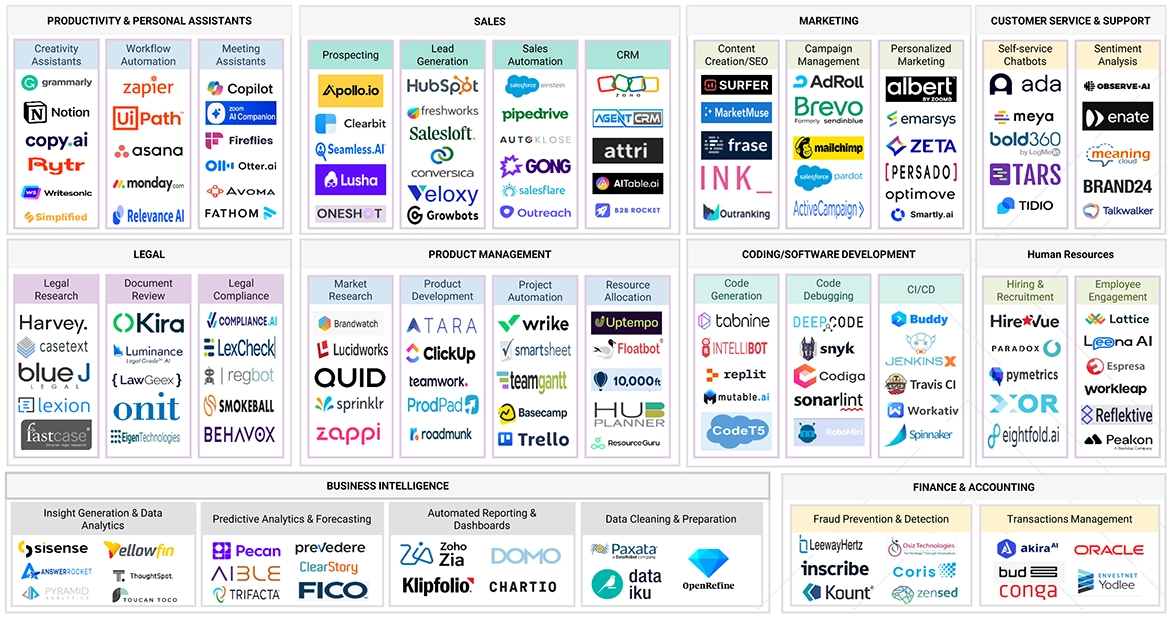
With skills in hand, pinpoint niches where AI agents solve pain points profitably. Promising niches in 2026 include:
- E-commerce: Agents for inventory management and personalized recommendations.
- Content Marketing: Automated writers and SEO optimizers.
- Healthcare: Appointment bots and symptom checkers.
- Finance: Budget trackers and fraud detectors.
- Education: Adaptive tutoring agents.
Step 3: Developing and Deploying AI Agents
Start with problem definition—what task does it automate? Use a framework like this:
from langchain.llms import OpenAI
llm = OpenAI(temperature=0.7)
tools = [Tool(name="Search", func=google_search, description="Search the web")]
agent = initialize_agent(tools, llm, agent="zero-shot-react-description")
Scale by creating templates: a base agent customizable for clients. Charge for setup ($1K one-time) plus monthly maintenance ($200-500).
Step 4: Monetization Strategies for $10K/Month
Hitting $10K/month requires smart pricing and marketing. Models include:
- Freelance Services: Offer custom agents on Upwork or Fiverr.
- SaaS Products: Build subscription-based agents.
- Affiliate/Partnerships: Integrate with tools and earn commissions.
- Consulting: Advise on AI implementation.

Conclusion: Your Path Starts Now
You've got the blueprint. Start learning, build, iterate, and market. In 2026's AI-driven world, $10K/month is within reach. Take action today—your future self will thank you.