
 OpenAI - ChatGPT, Sora
 Google - Gemini, Nano Banana
 Anthropic - Claude
 xAI - Grok
 Deepseek
 Alibaba - Qwen
 ByteDance - Doubao
 All Models
 Enterprise Plans
 AI Application Development
 AI Translator API
 AI SEO/GEO Service
 GEO-Optimized PR Service
 Web Scraping Service
 OpenClaw
 Top AI Tools
 Top AI Robots
 Log in





CES 2026 Marks the Dawn of Physical AI: Nvidia Declares 'ChatGPT Moment' for Robotics as Humanoids Take Center Stage
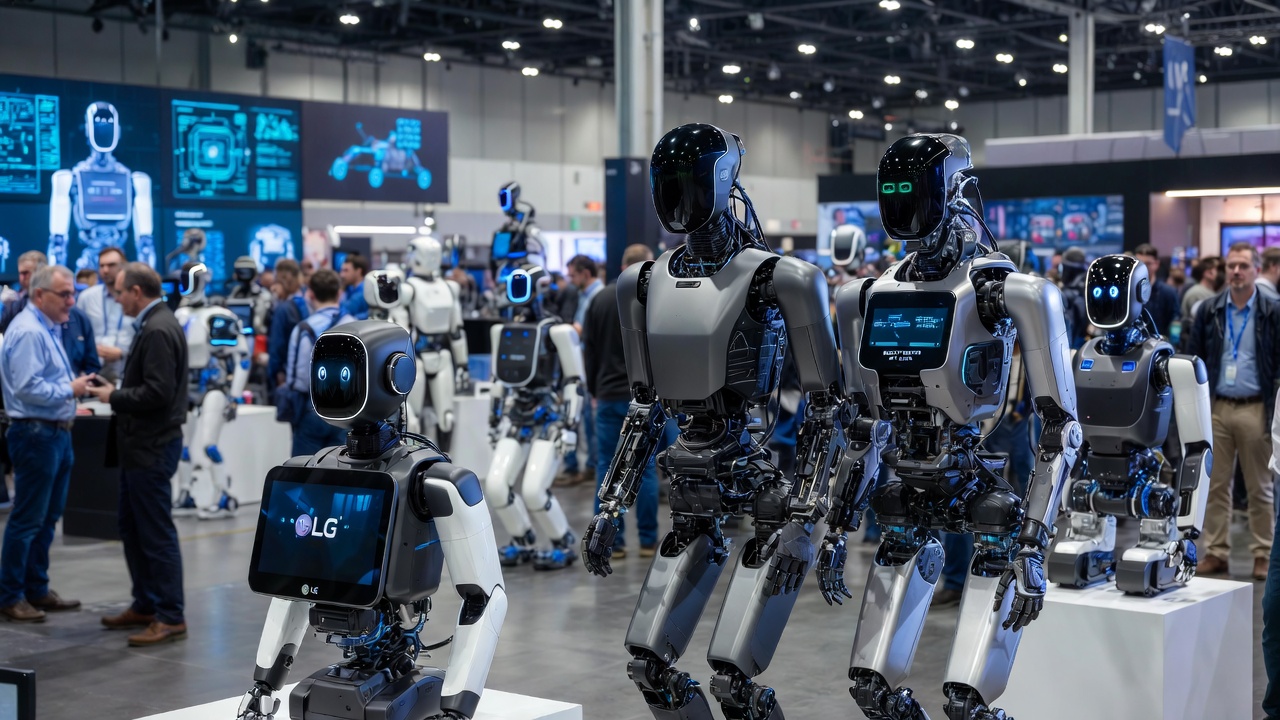
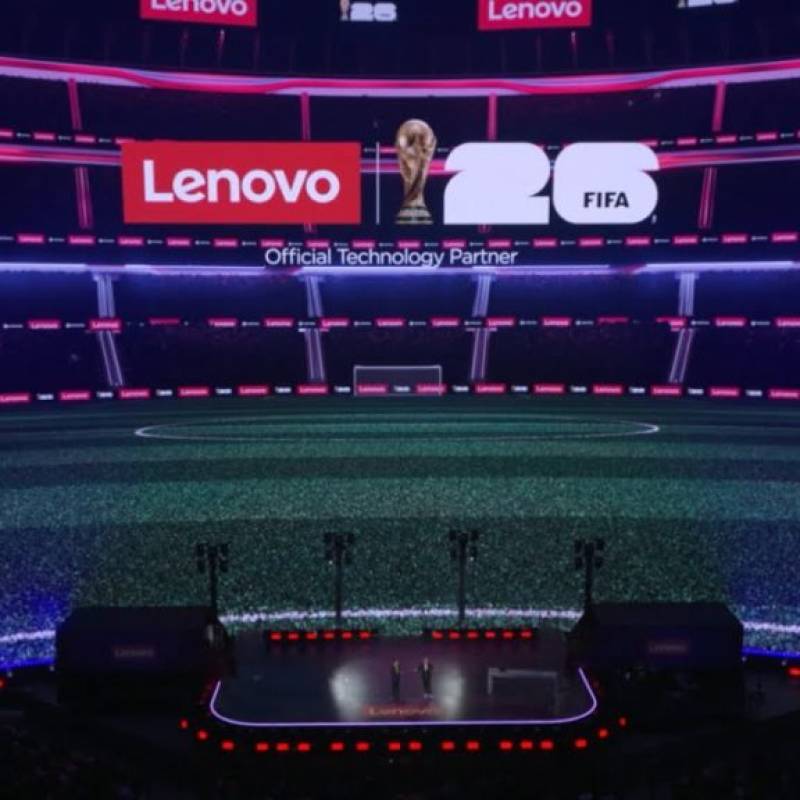
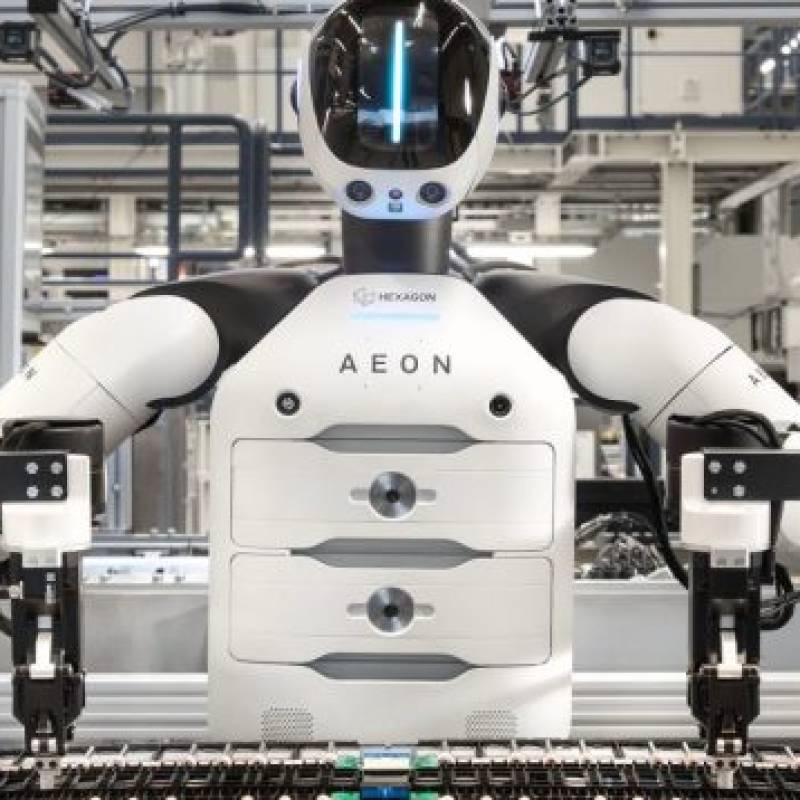
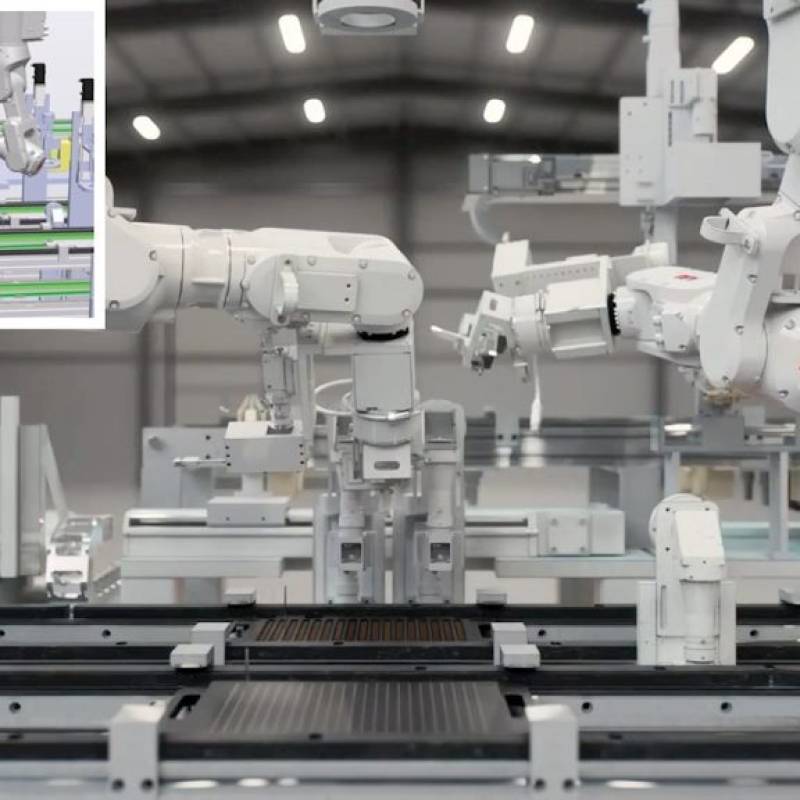
LAS VEGAS, Jan 13, 2026 — The Consumer Electronics Show (CES) 2026 has officially shifted the spotlight from screen-based generative AI to Physical AI — intelligent systems that move, manipulate, and interact with the real world.
For the past three years, the AI revolution was confined to browser windows and text prompts. We marveled at LLMs that could write poetry or generate images. But CES 2026 marks a definitive pivot. Industry leaders, led by a triumphant Nvidia, have proclaimed this year as the turning point where AI steps out of chat interfaces and into factories, homes, and streets.
This is not just an evolution; it is a dimensional leap. We are witnessing the convergence of Computer Vision, Reinforcement Learning, and Robotics into a unified field known as Embodied Intelligence. The machines are no longer just thinking; they are acting.
Nvidia Declares the "ChatGPT Moment" for Robotics
In a high-energy keynote that opened the show, Nvidia CEO Jensen Huang boldly stated that "the ChatGPT moment for physical AI is here." He was referring to the singularity point where machines begin to truly understand, reason, and act in physics-governed environments without requiring hard-coded instructions for every movement.
Jensen Huang's Vision
"We have conquered the digital realm. Now, AI meets the laws of physics. Physical AI is not just about robots; it is about intelligence that understands space, force, and consequence."
To support this vision, Nvidia unveiled a trinity of new technologies designed to be the nervous system of the robot revolution:
The Vera Rubin Platform
Succeeding the Blackwell series, this next-generation AI superchip architecture is now entering full production. Optimized for "Agentic Workloads," it handles the massive, real-time data streams required for a robot to balance, see, and reason simultaneously.
Project Cosmos
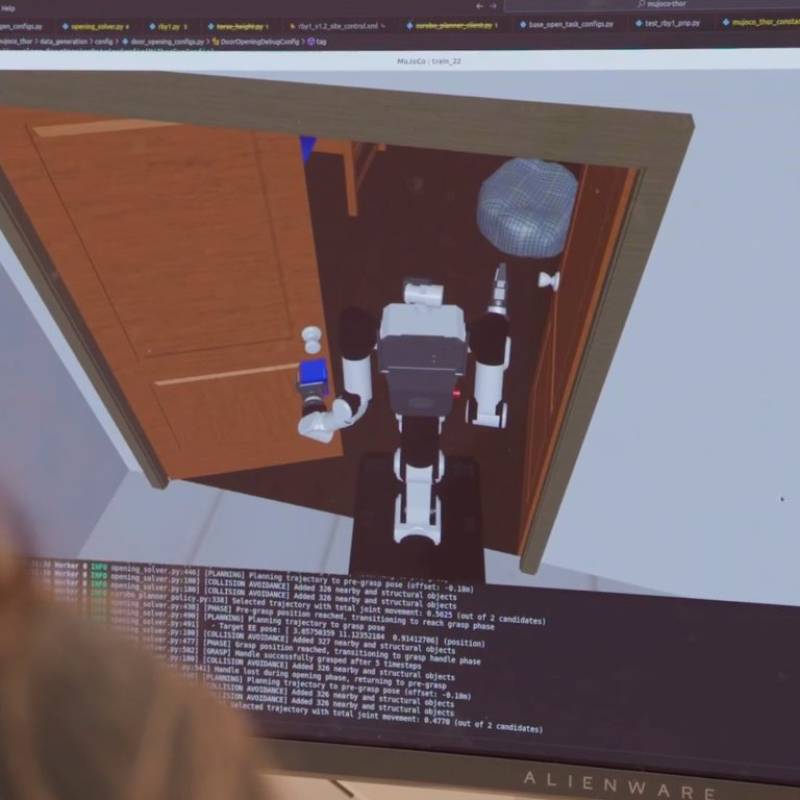
A foundational AI model trained not on internet text, but on physics simulations. Cosmos understands gravity, friction, and material properties, allowing robots to "imagine" the outcome of an action before they physically attempt it.
Alpamayo Model
An open-source AI model tailored for autonomous mobility. Whether it is a self-driving car or a warehouse forklift, Alpamayo enables reasoning and path planning in chaotic, real-world scenarios.
The Humanoid Revolution: Brains Meet Bodies
The exhibition floor echoed Nvidia's vision, but nowhere was it more apparent than at the Boston Dynamics booth. The company, now a subsidiary of Hyundai, revealed the production-ready version of its electric Atlas humanoid.
Atlas Gets a Gemini Brain
The biggest news was a strategic collaboration with Google DeepMind. The new Atlas integrates advanced Gemini-based AI models. This means Atlas is no longer just a parkour athlete; it is a listener and a thinker.
- ✓ Natural Language Control: You can tell Atlas, "Clean up that spill," and it understands the context.
- ✓ Adaptive Learning: If Atlas drops a box, it analyzes why and adjusts its grip for the next attempt instantly.
- ✓ Hyundai Deployment: Factories will see full deployment by 2028.
"From YouTube Stunts to Factory Utility"
Robert Playter, CEO Boston Dynamics
Beyond Industry: The Home Robot Arrives
It wasn't just heavy industry. LG Electronics debuted CLOiD, a versatile home robot that stole the show. Unlike the "rolling tablets" of the past, CLOiD features two functional arms and multi-floor navigation capabilities.
CLOiD is capable of handling complex household chores such as laundry folding, meal preparation assistance, and even loading the dishwasher. This signals a shift in the "Smart Home" market from passive sensors to active manipulation.
The Bottlenecks: Power, Memory, and Trust
Despite the optimism, CES 2026 also highlighted the massive hurdles facing the Physical AI industry. The surge in demand for "Embodied Compute" has created immediate supply chain constraints.
The HBM Shortage
Physical AI requires massive memory bandwidth to process visual data in real-time. High-Bandwidth Memory (HBM) supplies are reportedly sold out through the end of 2026, potentially slowing down humanoid production rates.
Energy Density
While brains are getting smarter, batteries are struggling to keep up. A humanoid robot running an LLM locally drains its battery in under 4 hours. The industry is desperate for solid-state battery breakthroughs.
The Trust Factor
Robert Playter emphasized that the industry must prioritize "Legibility"—the ability for a human to look at a robot and instantly understand its intent. Without trust, these machines will never leave the factory floor.
The Age of Embodied Intelligence
As 2026 unfolds, the race is no longer about who builds the largest language model—but who can deliver AI that reliably performs useful physical work. Industry analysts predict this shift could transform multi-trillion-dollar sectors including manufacturing, logistics, healthcare, and autonomous transportation.