
 OpenAI - ChatGPT, Sora
 Google - Gemini, Nano Banana
 Anthropic - Claude
 xAI - Grok
 Deepseek
 Alibaba - Qwen
 ByteDance - Doubao
 All Models
 Enterprise Plans
 AI Application Development
 AI Translator API
 AI SEO/GEO Service
 GEO-Optimized PR Service
 Web Scraping Service
 OpenClaw
 Top AI Tools
 Top AI Robots
 Log in





Klarna Partners with Google UCP for AI-Powered Payment Solutions
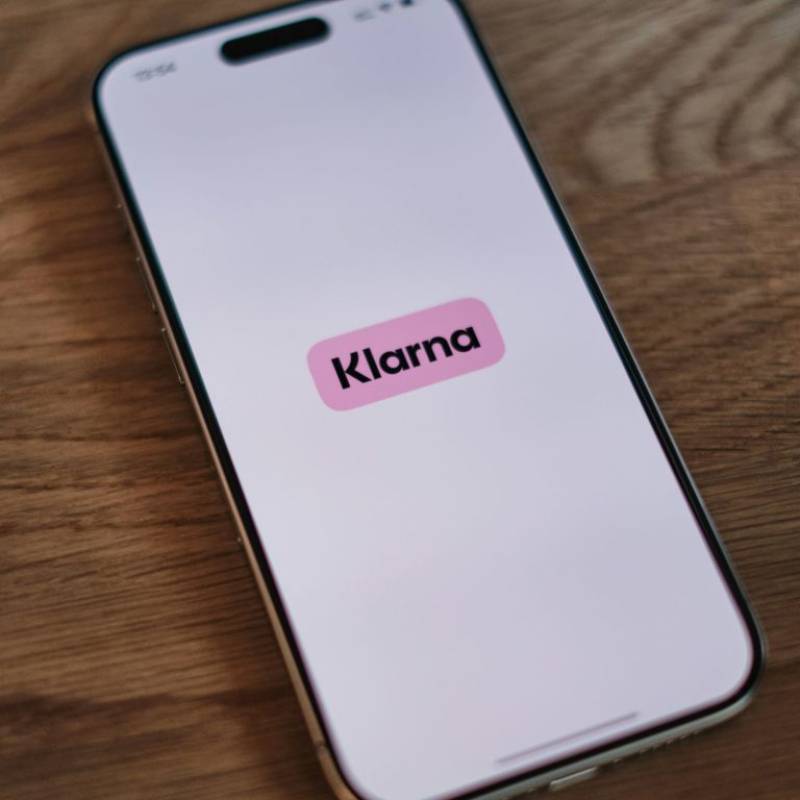
Klarna aims to address the lack of interoperability between conversational AI agents and backend payment systems by backing Google's Universal Commerce Protocol (UCP), an open standard designed to unify how AI agents discover products and execute transactions.
The partnership, which also sees Klarna supporting Google's Agent Payments Protocol (AP2), places the Swedish fintech firm among the early payment providers to back a standardised framework for automated shopping.
🔄 The Interoperability Problem with AI Agent Payments
Current implementations of AI commerce often function as walled gardens. An AI agent on one platform typically requires a custom integration to communicate with a merchant's inventory system, and yet another to process payments. This integration complexity inflates development costs and limits the reach of automated shopping tools.
Google's UCP attempts to solve this by providing a standardised interface for the entire shopping lifecycle, from discovery and purchase to post-purchase support. Rather than building unique connectors for every AI platform, merchants and payment providers can interact through a unified standard.
David Sykes, Chief Commercial Officer at Klarna, states that as AI-driven shopping evolves, the underlying infrastructure must rely on openness, trust, and transparency. "Supporting UCP is part of Klarna's broader work with Google to help define responsible, interoperable standards that support the future of shopping."
💳 Standardising the Transaction Layer
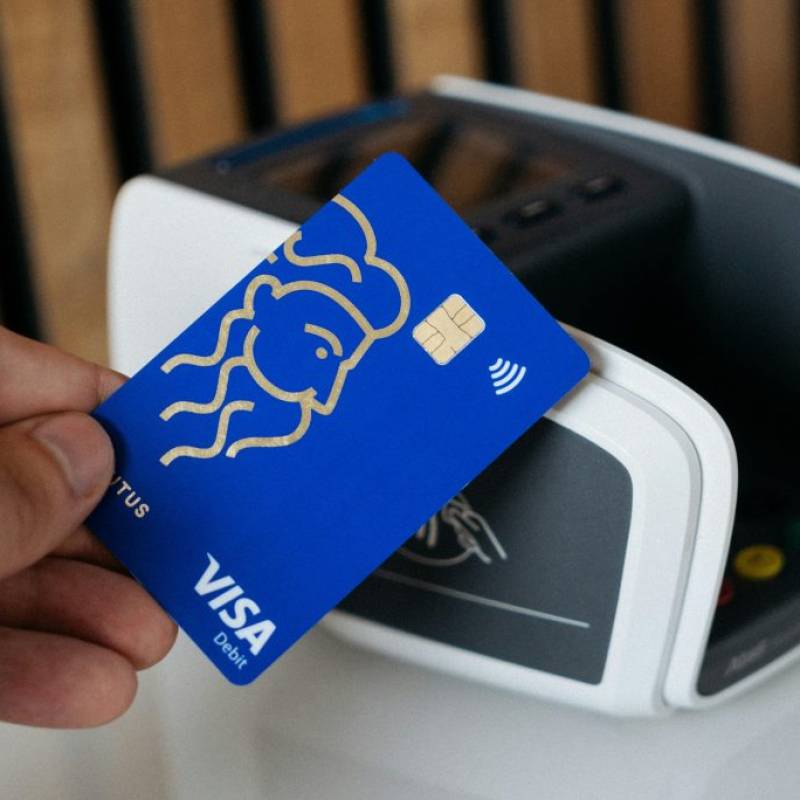
By integrating with UCP, Klarna allows its technology – including flexible payment options and real-time decisioning – to function within these AI agent environments. This removes the need for hardcoded platform-specific payment logic.
Open standards provide a framework for the industry to explore how discovery, shopping, and payments work together across AI-powered environments.
The implications extend to how transactions settle. Klarna's support for AP2 complements the UCP integration, helping advance an ecosystem where trusted payment options work across AI-powered checkout experiences. This combination aims to reduce the friction of users handing off a purchase decision to an automated agent.
Ashish Gupta, VP/GM of Merchant Shopping at Google, said: "Open standards like UCP are essential to making AI-powered commerce practical at scale. Klarna's support for UCP reflects the kind of cross-industry collaboration needed to build interoperable commerce experiences that expand choice while maintaining security."
📈 Adoption of Google's UCP by Klarna is Part of a Broader Shift
For retail and fintech leaders, the adoption of UCP by players like Klarna suggests a requirement to rethink commerce architecture. The shift implies that future payments may increasingly come through sources where the buyer interface is an AI agent rather than a branded storefront.
Implementing UCP generally does not require a complete re-platforming but does demand rigorous data hygiene. Because agents rely on structured data to manage transactions, the accuracy of product feeds and inventory levels becomes an operational priority.
Furthermore, the model maintains a focus on trust. Klarna's technology provides upfront terms designed to build trust at checkout. As agent-led commerce develops, maintaining clear decisioning logic and transparency remains a priority for risk management.
🎯 Key Takeaways
- ✓ Standardised Integration: The convergence of Klarna's payment rails with Google's open protocols offers a practical template for reducing the friction of using AI agents for commerce.
- ✓ Reduced Technical Debt: The value lies in the efficiency of a standardised integration layer that reduces the technical debt associated with maintaining multiple sales channels.
- ✓ Future Success Factor: Success will likely depend on the ability to expose business logic and inventory data through these open standards.
⚡ Bottom Line: The partnership between Klarna and Google represents a significant step toward creating an interoperable ecosystem for AI-powered commerce, where standardised protocols enable seamless transactions across platforms while maintaining security and transparency.