
 OpenAI - ChatGPT, Sora
 Google - Gemini, Nano Banana
 Anthropic - Claude
 xAI - Grok
 Deepseek
 Alibaba - Qwen
 ByteDance - Doubao
 All Models
 Enterprise Plans
 AI Application Development
 AI Translator API
 AI SEO/GEO Service
 GEO-Optimized PR Service
 Web Scraping Service
 OpenClaw
 Top AI Tools
 Top AI Robots
 Log in








Visa Develops Payment Systems to Support AI Agent Initiated Transactions and Future Payments
Payments traditionally depend on a straightforward model: a person decides to buy something, and a bank or card network processes the transaction. However, this model is evolving as Visa experiments with AI agents that can initiate payments autonomously. Emerging innovations in the banking sector indicate that software agents may soon assume the role of purchasing on behalf of users.
A recent example is Visa’s “Agentic Ready” programme in Europe, which tests how financial systems handle AI-initiated transactions. This initiative involves collaboration with leading banks such as Commerzbank and DZ Bank, aiming to prepare existing payment infrastructure to support software agents that can search for products, make decisions, and complete purchases independently.
According to Visa and reports from The Paypers, the programme focuses on ensuring secure transactions where AI systems act as the initiator. Instead of a human confirming a purchase, an AI agent could execute transactions automatically after receiving specific goals or predefined rules.
How Transactions Begin
Current payment systems rely on verifying human identity and intent. Card transactions today depend heavily on confirming that a person authorized the purchase. But if AI agents start initiating transactions autonomously, banks will need new mechanisms to authenticate both identity and intent at the system level.
This includes protocols for:
- How an AI agent proves it is acting on a user’s behalf
- Determining the amount of autonomy granted to agents
Visa’s vision involves AI agents handling routine or repetitive purchases with minimal human input by following user-defined rules. For example, a system might monitor inventory supply and price comparisons, then trigger transactions when certain thresholds are met. Reports from Die Welt and Investing.com suggest Visa considers this transition comparable in magnitude to the early shift toward online payments, requiring banks to adapt to a fundamentally new transaction flow.
Control and Compliance
Banks participating in early trials are focusing on practical implementation challenges. Commerzbank and DZ Bank are actively exploring how AI agents can integrate with existing systems without violating compliance standards. This includes critical areas such as:
- Fraud detection and prevention
- Maintaining detailed audit trails
- Obtaining and verifying customer consent
These aspects remain tightly regulated, so any modification to transaction initiation must satisfy rigorous oversight and security requirements.
A RepRisk report highlights that banks are already facing increasing incidents related to AI, which lead to significant financial losses often amounting to millions of dollars.
Visa’s current efforts are targeted at building payment infrastructure capabilities rather than consumer-facing applications. This includes defining:
- Agent authentication methods
- Transaction approval protocols
- Dispute resolution mechanisms when errors occur
AI and Enterprise Purchasing
In large organisations, procurement typically involves multiple approval layers. AI agents have the potential to streamline this process by autonomously managing routine purchases within predefined limits. While this could significantly reduce manual workloads, it also raises the need for clear governance policies to prevent mistakes or misuse.
Many major institutions are investing heavily in AI to automate back-office tasks and decrease operational costs. Some are even restructuring teams to emphasize data and AI strategy. At the same time, financial regulators have intensified their scrutiny on AI’s role in decision-making—especially in sensitive areas such as credit approval and fraud detection.
Taken together, these developments indicate that payments could become among the first financial activities where AI agents operate with enhanced autonomy. Banks will still set rules, monitor transactions, and manage exceptions, but the routine act of initiating payments may increasingly require less direct human involvement.
Visa’s current phase centers on testing and designing robust systems capable of accommodating a future user who is not a cardholder but a software entity able to make purchases independently.
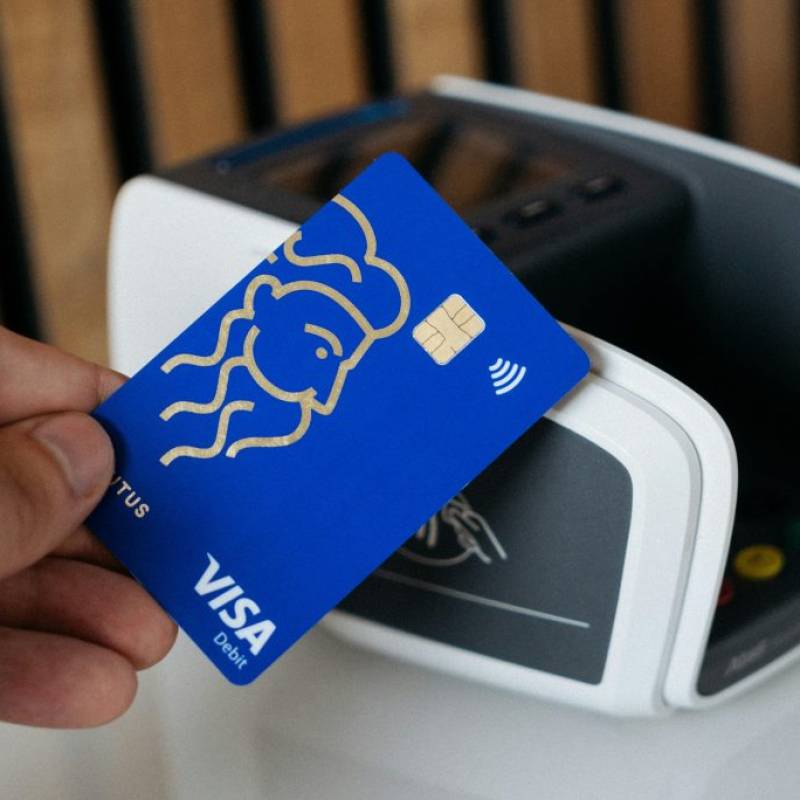
(Photo by CardMapr.nl)