
 Enterprise Plans
 AI Application Development
 AI Translator API
 AI SEO/GEO Service
 GEO-Optimized PR Service
 Web Scraping Service
 Log in




Zara's Use of AI Shows How Retail Workflows Are Quietly Changing
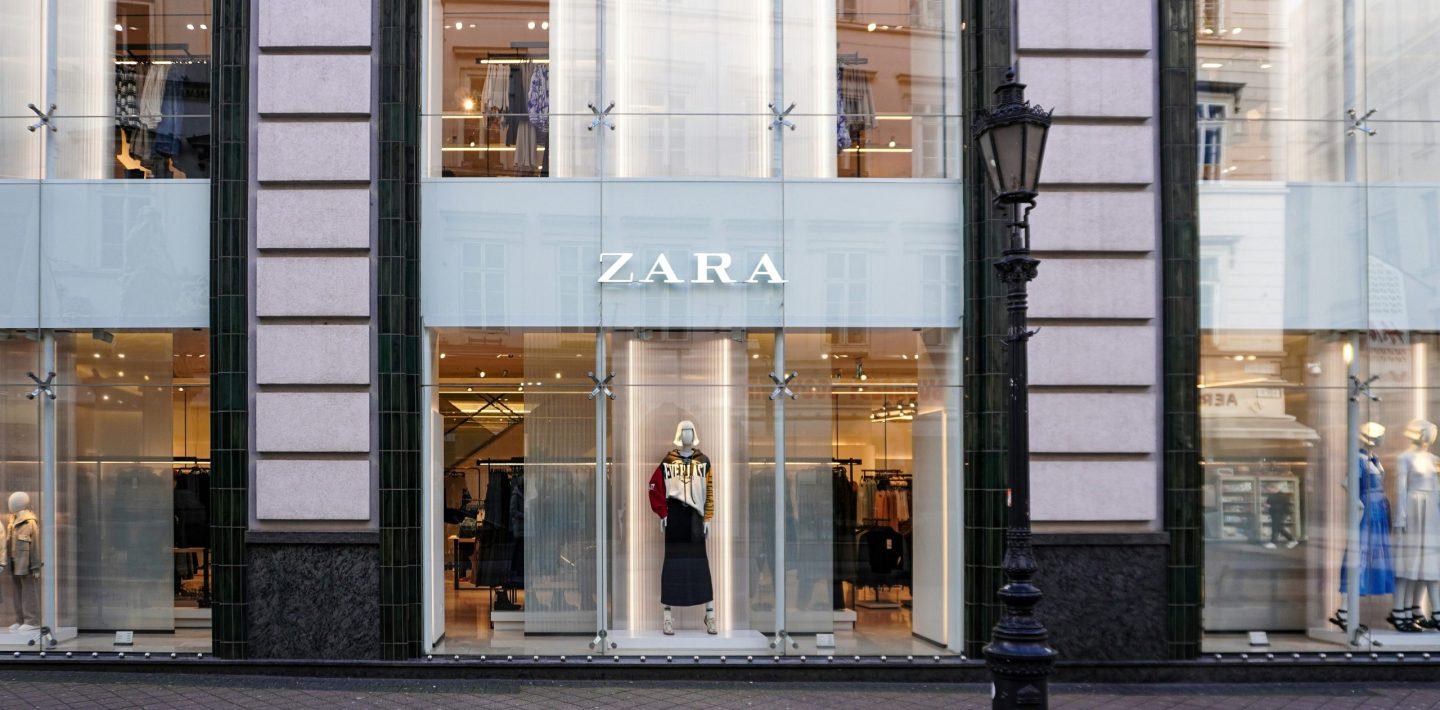
The Silent Revolution in Retail
While the tech world focuses on flashy AI announcements like autonomous vehicles and generative AI models, one of the most profound transformations is happening quietly in retail stores worldwide. Zara, the Spanish fast-fashion giant, exemplifies how artificial intelligence is reshaping retail workflows in ways that consumers rarely see but always experience.
Unlike Nvidia's recent Alpamayo announcement for autonomous vehicles that "think like humans," Zara's AI implementation focuses on predicting human behavior with unprecedented accuracy. The company has integrated machine learning algorithms throughout its supply chain, from design conception to inventory management, creating a seamless ecosystem that responds to fashion trends in real-time.
AI-Powered Design and Trend Prediction
Zara's AI systems analyze millions of data points daily, including social media trends, weather patterns, economic indicators, and historical sales data. This comprehensive analysis enables the company to predict fashion trends up to six months in advance with remarkable accuracy.
The AI-driven design process begins with computer vision algorithms that scan fashion shows, street style photos, and social media posts to identify emerging patterns, colors, and silhouettes. These insights are then fed into predictive models that suggest design modifications and new product concepts to human designers.
Supply Chain Optimization
AI algorithms optimize production schedules, raw material procurement, and logistics routing to reduce lead times from design to store shelves by up to 40%.
Dynamic Pricing Models
Machine learning models adjust prices in real-time based on demand patterns, inventory levels, and competitor analysis across different markets.
Personalized Recommendations
AI-powered recommendation engines analyze customer behavior to suggest products, increasing conversion rates by 25% across digital channels.
The Data Behind the Magic
Zara's AI transformation relies on an impressive data infrastructure that processes information from multiple sources simultaneously. The company's machine learning models analyze customer purchasing patterns, return rates, and even fitting room behavior to optimize everything from sizing charts to store layouts.
The integration of computer vision technology in Zara's warehouses has revolutionized inventory management. Smart cameras equipped with AI can identify, sort, and track millions of garments with 99.9% accuracy, significantly reducing human error and processing time.
Personalization at Scale
While companies like Nvidia focus on creating AI that mimics human reasoning for autonomous vehicles, Zara's approach centers on understanding human preferences at an individual level. The company's AI systems create detailed customer profiles that go beyond traditional demographics to include style preferences, seasonal buying patterns, and even color psychology.
This level of personalization extends to Zara's physical stores, where AI-powered systems adjust lighting, music, and even product placement based on real-time foot traffic analysis and customer demographics. Heat mapping technology combined with facial recognition (where legally permitted) helps optimize store layouts for maximum engagement and sales conversion.
The Broader Impact on Retail Industry
Zara's success with AI integration has created a ripple effect throughout the retail industry. Competitors are scrambling to implement similar technologies, leading to an arms race in AI-powered retail innovation. This transformation is particularly evident in:
- Inventory Management: AI-driven demand forecasting reduces overstock by up to 30%
- Customer Service: Chatbots and virtual assistants handle 70% of customer inquiries
- Fraud Detection: Machine learning models identify suspicious transactions with 95% accuracy
- Sustainability: AI optimization reduces waste and improves resource efficiency
The technology stack behind these innovations includes natural language processing for customer sentiment analysis, reinforcement learning for pricing optimization, and deep learning networks for image recognition and style classification.
Future Implications and Challenges
As AI continues to reshape retail workflows, several challenges emerge alongside the opportunities. Privacy concerns around data collection, the need for transparency in AI decision-making, and the potential displacement of human workers are all critical issues that retailers must address.
Looking ahead, the integration of augmented reality, IoT sensors, and blockchain technology with existing AI systems promises to create even more sophisticated retail experiences. Virtual try-on technologies, predictive maintenance for store equipment, and supply chain transparency are just the beginning of what's possible.
The quiet revolution happening in retail through companies like Zara demonstrates that AI's most significant impact may not come from the loudest announcements or most advanced robotics, but from the seamless integration of intelligent systems into everyday business processes. As these technologies mature, they will continue to reshape not just how we shop, but how entire industries operate in the digital age.