
 OpenAI - ChatGPT, Sora
 Google - Gemini, Nano Banana
 Anthropic - Claude
 xAI - Grok
 Deepseek
 Alibaba - Qwen
 ByteDance - Doubao
 All Models
 Enterprise Plans
 AI Application Development
 AI Translator API
 AI SEO/GEO Service
 GEO-Optimized PR Service
 Web Scraping Service
 OpenClaw
 Top AI Tools
 Top AI Robots
 Log in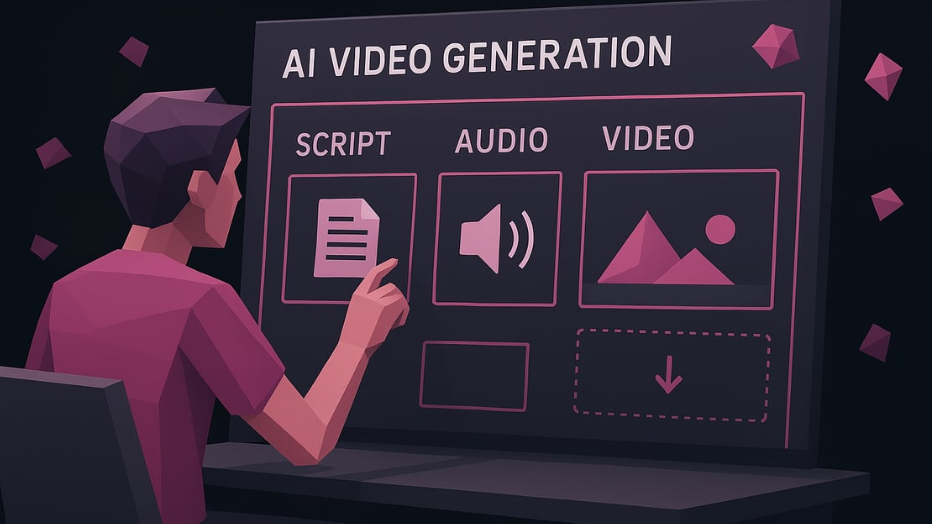


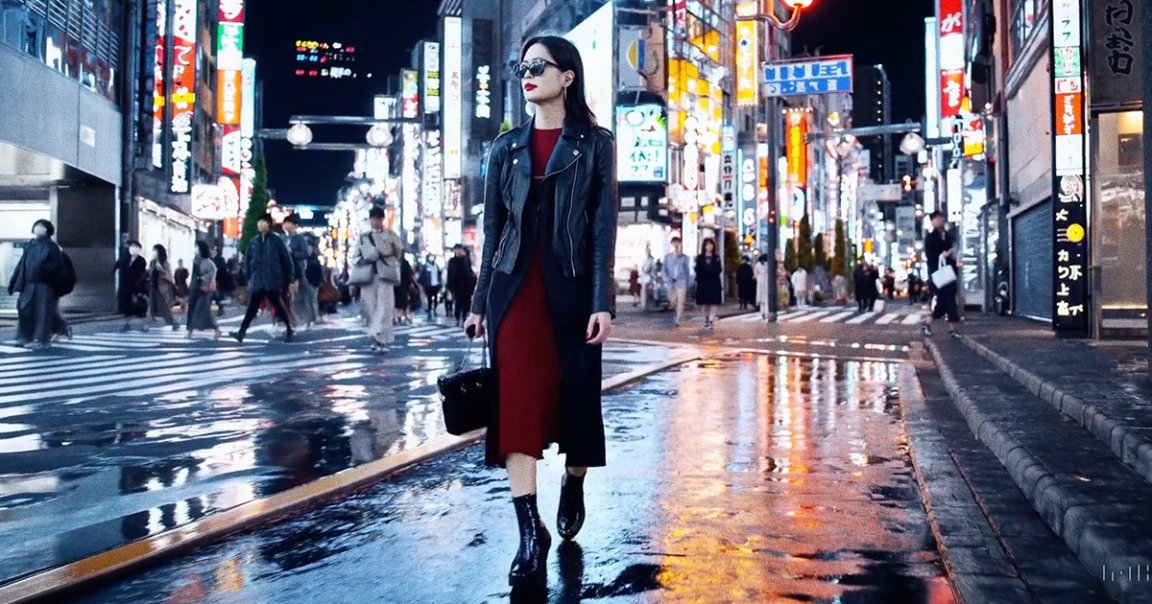
Just last week (March 2026), OpenAI dropped a bombshell: its groundbreaking Sora video generator is heading straight into ChatGPT. Millions of users will soon create hyper-realistic videos with a single prompt — no separate app required. This single move has marketers and creators scrambling, and for good reason.
Multimodal AI — systems that understand and generate text, images, audio, and video together — is no longer experimental. In 2026, generative video has become the fastest-growing tool for content teams, cutting production time by up to 70% while delivering cinematic quality.
If you create content or run marketing campaigns, this is the year everything changes. Here’s exactly what’s happening and how to stay ahead.
Why 2026 Is the Year Generative Video Goes Mainstream
Last year’s tools produced short, glitchy clips. 2026 models deliver synchronized audio, multi-shot storytelling, and near-perfect physics — all from a single prompt.
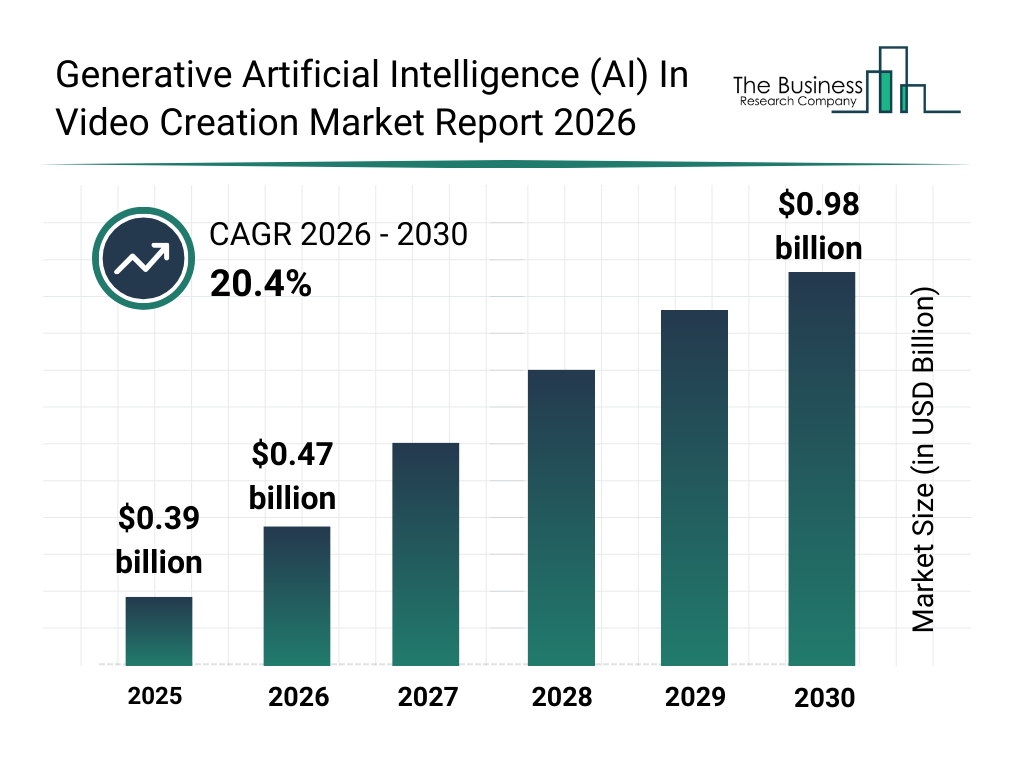
Industry reports project the AI video generator market will explode from $1.23 billion in 2025 to over $21 billion by 2034, with a staggering 46% CAGR in some segments. Marketing and advertising lead the charge: experts predict 75% of marketing videos will be AI-generated or AI-assisted by the end of 2026.
Top Multimodal AI & Generative Video Trends Dominating 2026
1. Native Synchronized Audio-Visual Generation
Native Synchronized Audio-Visual Generation Forget adding sound in post-production. Leading models now generate dialogue, music, sound effects, and visuals simultaneously. The result feels organic and immersive.

2. Multi-Shot Consistency & Persistent Characters
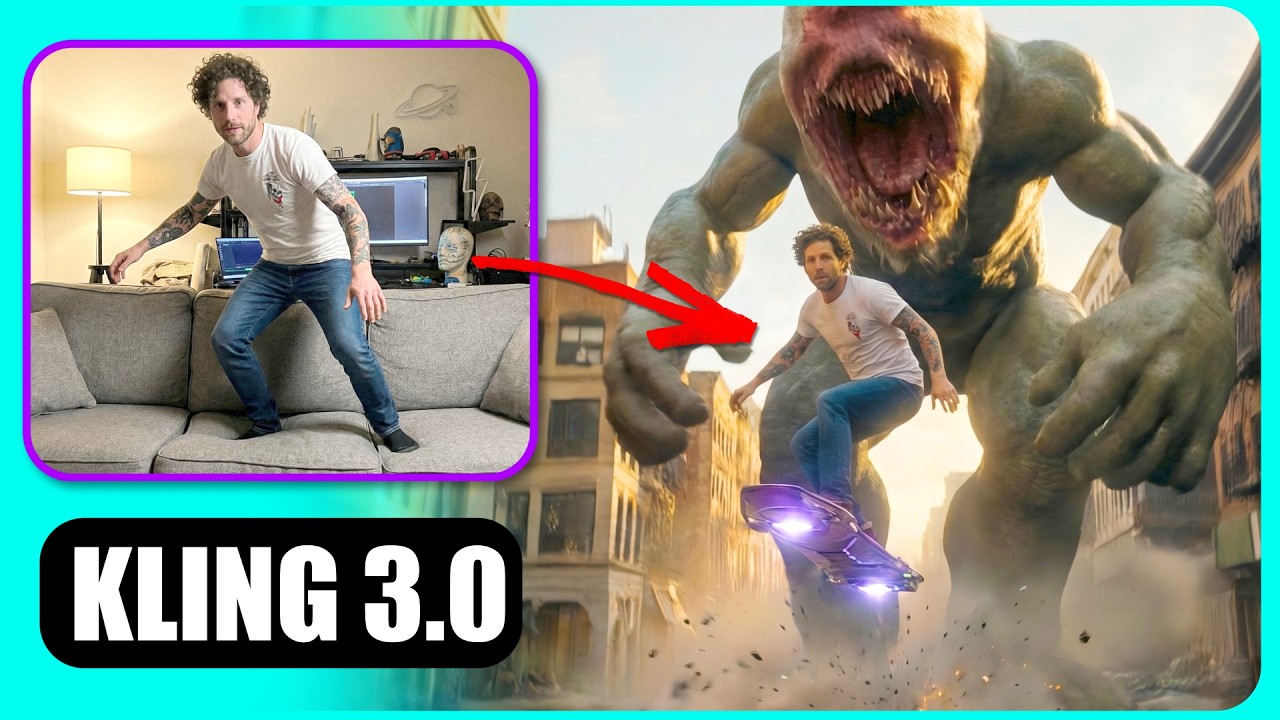
Multi-Shot Consistency & Persistent Characters Kling 3.0’s February 2026 launch solved the biggest pain point: characters now stay consistent across camera angles and multiple scenes. Brands can finally create ongoing campaigns with the same “spokesperson” without reshooting.
3. Real-Time & Interactive Video
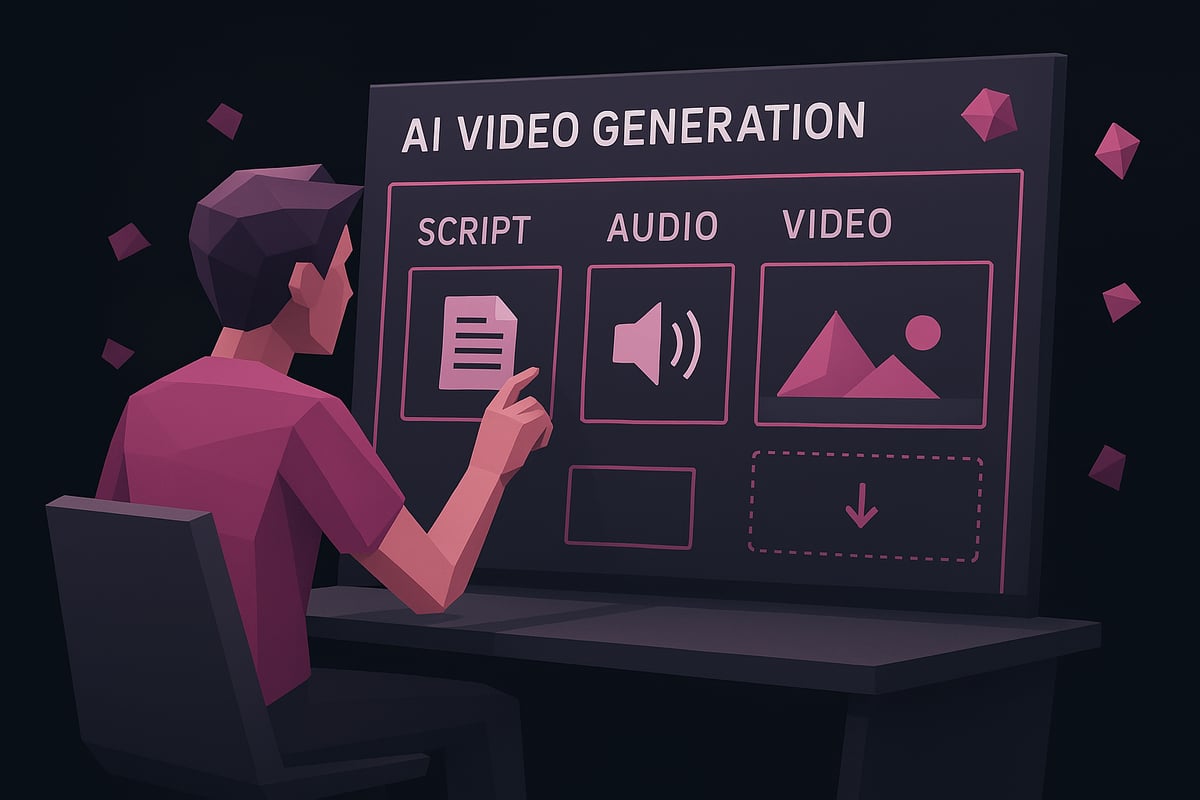
Real-Time & Interactive Video By late 2026, creators will generate and edit videos live. Imagine prompting changes during a client call and watching the video update instantly.
4. Hyper-Personalized Brand Content at Scale
Hyper-Personalized Brand Content at Scale Custom-trained multimodal models use your brand assets to produce on-message videos in seconds. From localized ads to personalized social clips, the era of one-size-fits-all content is over.
Game-Changing Tools You Should Test Right Now
- OpenAI Sora (now expanding into ChatGPT) — Best for narrative storytelling and photorealism. The upcoming integration makes it accessible to 400+ million ChatGPT users.
- Kling 3.0 — Currently leading in cinematic realism and multi-shot sequences.
- Google Veo 3 — Excellent for enterprise workflows and native audio.
- Runway, Luma, and multi-model platforms like Agent Opus (aggregating Sora + Kling + Veo) — Perfect when you need the best output from multiple engines without switching tabs.
Real Results: How Brands Are Winning in 2026
Early adopters report 5–10× faster content production and significantly higher engagement. AI-generated B-roll, faceless YouTube videos, and personalized product demos are now standard practice. One major beverage brand used generative tools to create 50 localized 15-second ads in a single afternoon — something that previously took weeks.

Important Challenges & How to Stay Responsible
Yes, quality has skyrocketed — but so have risks around deepfakes and copyright. Smart teams always: • Add clear disclosure labels • Use human oversight for final approval • Stay updated on evolving regulations (EU AI Act and similar frameworks)
What to Do Next: Your 2026 Action Plan
- Pick one tool (start with Sora or Kling free tier)
- Test 5–10 prompts tied to your current campaigns
- Build a custom model with your brand assets
- Measure engagement lift versus traditional video
The brands that treat generative video as a strategic advantage — not just a novelty — will dominate content and marketing in 2026.
Ready to turn your ideas into scroll-stopping video in minutes? Drop your first prompt today and watch the future of content creation unfold.