
 OpenAI - ChatGPT, Sora
 Google - Gemini, Nano Banana
 Anthropic - Claude
 xAI - Grok
 Deepseek
 Alibaba - Qwen
 ByteDance - Doubao
 All Models
 Enterprise Plans
 AI Application Development
 AI Translator API
 AI SEO/GEO Service
 GEO-Optimized PR Service
 Web Scraping Service
 OpenClaw
 Top AI Tools
 Top AI Robots
 Log in











Best Phishing Protection Solutions for Security Teams in 2026
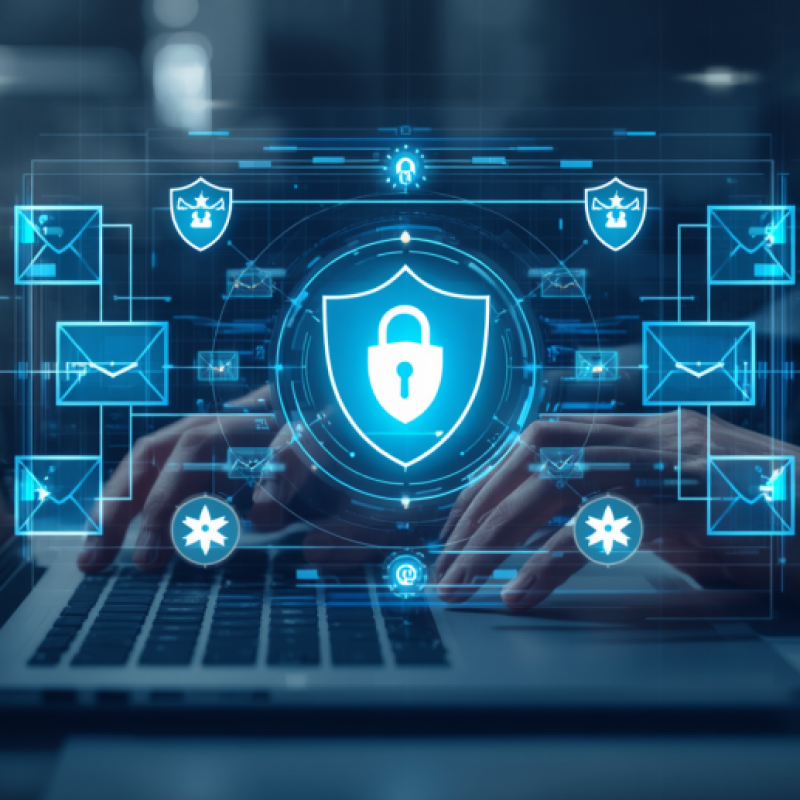 Phishing protection refers to the category of cybersecurity products specifically designed to help organizations detect, prevent, and respond to phishing attacks — before they escalate into full-blown data loss incidents.
Modern phishing attacks are no longer limited to deceptive emails. They now span the full attack chain — including impersonation, cloned websites, session hijacking, and real-time credential harvesting.
🔒 AI-generated phishing attacks are making traditional detection methods increasingly ineffective — driving demand for more adaptive, intelligent phishing protection technologies.
Given how rampant and sophisticated phishing attacks have become, modern tools address the problem across different layers of the attack chain — whether by adding protections directly within the inbox, the browser, or by taking action against the spoofed website itself.
🛡️ What Is Phishing Protection?
Phishing protection technologies identify and block malicious attempts to steal sensitive information by misleading employees through deceptive communications. In most cases, the attacker's end goal is to gain unauthorized account access, steal credentials, and exfiltrate valuable data.
One of the most prevalent phishing tactics involves an adversary impersonating a trusted entity — tricking targets into voluntarily surrendering credentials, financial information, or even initiating direct payments. While phishing attempts most commonly arrive via email, modern attacks are expanding to target employees through:
- 📧 Email phishing — spoofed sender addresses and deceptive message content
- 📞 Voice phishing (vishing) — fraudulent phone calls impersonating legitimate sources
- 🔗 Fake websites — lookalike domains designed to capture user input
- 🔒 Cloned login portals — pixel-perfect replicas of real authentication pages
⚠️ Why Phishing Protection Matters
Phishing remains one of the most common root causes of credential theft, business email compromise (BEC), and ransomware incidents across industries. As attacks grow more personalized and AI-assisted, organizations are increasingly turning to dedicated phishing protection platforms to detect threats that traditional email filters routinely miss.
🚨 Key insight: Traditional email security tools are no longer sufficient on their own. The rise of AI-generated, hyper-personalized phishing campaigns demands a multi-layered defense strategy — spanning the inbox, the browser, and beyond.