
 OpenAI - ChatGPT, Sora
 Google - Gemini, Nano Banana
 Anthropic - Claude
 xAI - Grok
 Deepseek
 Alibaba - Qwen
 ByteDance - Doubao
 All Models
 Enterprise Plans
 AI Application Development
 AI Translator API
 AI SEO/GEO Service
 GEO-Optimized PR Service
 Web Scraping Service
 OpenClaw
 Top AI Tools
 Top AI Robots
 Log in









How SAP and AI Are Modernising HMRC's Tax Infrastructure
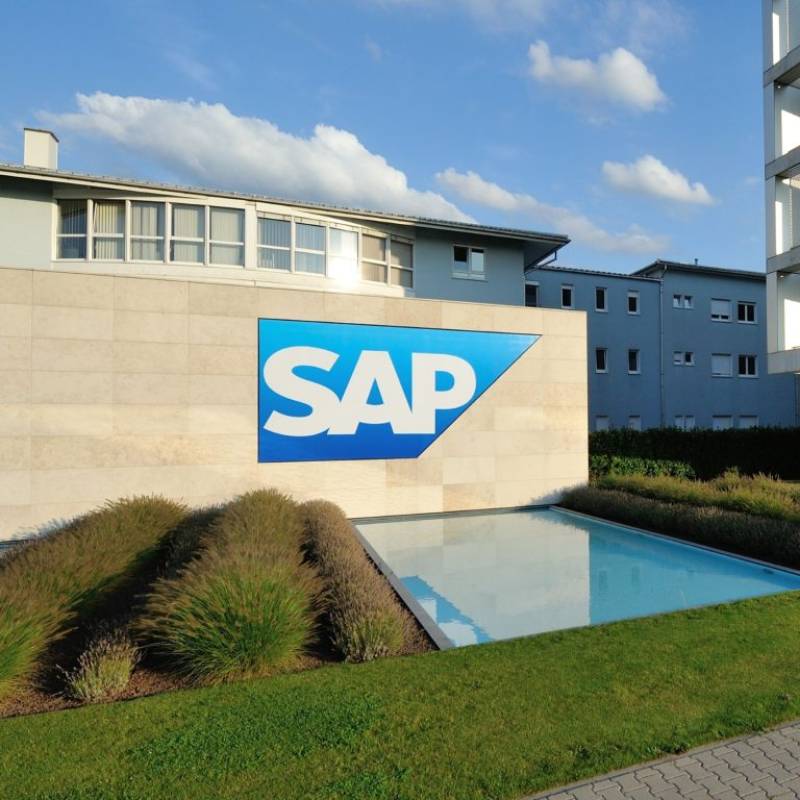
HMRC has selected SAP to overhaul its core revenue systems and place AI at the centre of the UK's tax administration strategy.
The contract represents a broader shift in how public sector bodies approach automation. Rather than layering AI tools over legacy infrastructure, HMRC is replacing the underlying architecture to support machine learning and automated decision-making natively.
The AI-powered modernisation effort focuses on the Enterprise Tax Management Platform (ETMP) — the technological backbone responsible for managing over £800 billion in annual tax revenue, currently supporting over 45 tax regimes. By migrating this infrastructure to a managed cloud environment via RISE with SAP, HMRC aims to simplify a complex technology landscape that tens of thousands of staff rely on daily.
📌 Key insight: Effective machine learning requires unified data sets — which are often impossible to maintain across fragmented on-premise legacy systems.
As part of the deployment, HMRC will implement SAP Business Technology Platform and AI capabilities. These tools are designed to surface insights faster and automate processes across tax administration.
☁ SAP Sovereign Cloud Meets Local AI Adoption Requirements
Deploying AI in highly regulated sectors requires strict data governance. HMRC will host its new capabilities on SAP's UK Sovereign Cloud — ensuring that while the tax authority adopts commercial AI tools, it adheres to localised requirements regarding data residency, security, and compliance.
“Large-scale public systems like those delivered by HMRC must operate reliably at national scale while adapting to changing demands.”
“By modernising one of the UK's most important platforms and hosting it on a UK sovereign cloud, we are helping to strengthen the resilience, security, and sustainability of critical national infrastructure.”
🤖 Using AI to Modernise Tax Infrastructure
The modernisation ultimately aims to reduce friction in taxpayer interactions. SAP and HMRC will work together to define new AI capabilities specifically aimed at improving taxpayer experiences and enhancing decision-making.
For enterprise leaders, the key lesson here is the direct link between data accessibility and operational value. The collaboration provides HMRC employees with better access to analytical data and an improved user interface — supporting greater confidence in real-time analysis and reporting, and enabling more responsive, transparent experiences for taxpayers.
⚠ Executive Takeaway: The SAP project illustrates that AI adoption is an infrastructure challenge as much as a software one. HMRC's approach involves securing a sovereign cloud foundation before attempting to scale automation.
For executives, this underscores the critical need to address technical debt and data sovereignty to enable effective AI implementation in areas as regulated as tax and finance.