
 OpenAI - ChatGPT, Sora
 Google - Gemini, Nano Banana
 Anthropic - Claude
 xAI - Grok
 Deepseek
 Alibaba - Qwen
 ByteDance - Doubao
 All Models
 Enterprise Plans
 AI Application Development
 AI Translator API
 AI SEO/GEO Service
 GEO-Optimized PR Service
 Web Scraping Service
 OpenClaw
 Top AI Tools
 Top AI Robots
 Log in









How URBN Uses Agentic AI to Automate Retail Reporting and Boost Efficiency

Retail decisions often depend on weekly performance reports, but compiling those reports can take hours of manual work. Urban Outfitters Inc. (URBN) is testing a new approach by deploying agentic AI systems to generate those reports automatically — shifting routine data analysis from staff to software.
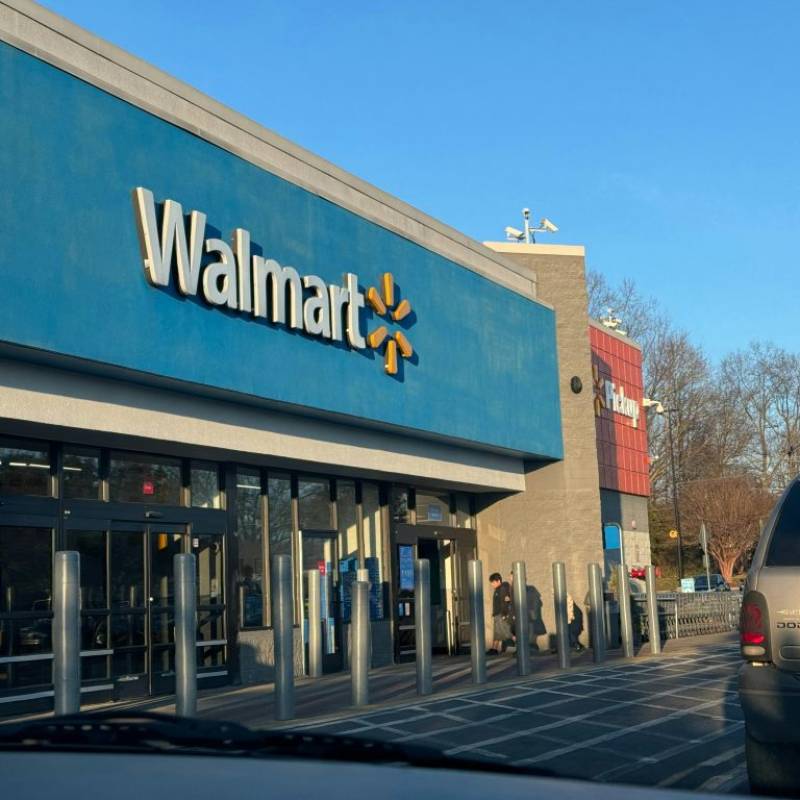
The retailer, which operates brands including Urban Outfitters, Anthropologie, and Free People, has deployed AI systems that analyse store-level data and produce weekly summaries for merchandising teams. Rather than manually reviewing multiple spreadsheets or dashboards, staff now receive a consolidated report that highlights key patterns and areas requiring immediate attention.
Industry coverage indicates the automation saves merchants from reviewing more than 20 separate reports each Sunday — synthesising all data into one comprehensive overview. The goal: reduce time spent collecting and organising data before decisions are made.
🤖 How Agentic AI Is Taking Over Routine Retail Reporting
Weekly reporting sits at the core of retail management. Merchandising teams use these updates to monitor sales trends, check inventory movement, and decide where to adjust pricing, stock levels, or promotions. Because the process repeats across many stores and regions, it can consume a large share of operational time.
URBN's AI agents take over the structured parts of that workflow. The systems gather store data, organise results, and present digestible summaries for teams to review. Employees remain responsible for interpreting findings and taking action — but the groundwork is handled automatically.
This mirrors a fundamental change in enterprise AI adoption. Early deployments aimed at helping individuals complete tasks faster — drafting text or searching internal information. Agentic systems, by contrast, run processes in the background and present completed outputs, allowing staff to focus on judgement, not preparation.
Retail analysts have pointed to growing interest in this model across the sector. Discussions at recent National Retail Federation events have highlighted how retailers are exploring autonomous AI workflows to support merchandising and operational monitoring at scale. URBN's reporting automation shows how those ideas are moving from pilot stages into full production environments.
📊 Why Reporting Is an Early Target for Automation
Reporting is one of the first operational areas that many companies try to automate because it is based on organised data and predictable formats. Weekly summaries follow a repeatable pattern, making them easier to test using automation while keeping oversight firmly in place.
🔑 Key benefits of starting with reporting automation:
- Evaluate AI output reliability in a low-risk, repeatable context
- Help teams adapt to receiving automated insights gradually
- Reduce delays between identifying trends and acting on them
- Keep accountability intact — staff still review reports and make final decisions
The approach also highlights that automation does not remove accountability. Staff still review the reports and make final decisions — they simply spend less time assembling information manually.
📈 A Signal of Changing Enterprise Priorities
URBN's rollout suggests that the next phase of enterprise AI adoption may involve embedding automation directly into everyday workflows. Companies are increasingly asking whether AI can handle recurring operational tasks reliably enough to become part of normal business processes.
When those tasks are automated successfully, the benefits extend beyond time savings. Consistent reporting helps ensure that teams across regions work from the same information — improving coordination and accelerating responses to emerging issues. In large retail networks, even small improvements in how quickly insights reach decision-makers can influence stock management and sales performance.
If reporting automation proves dependable, similar systems could expand into adjacent areas — demand forecasting, promotion analysis, and supply monitoring — each following the same model: automate the repeatable groundwork, keep people responsible for oversight and decisions.
⚡ From AI Assistance to Agentic AI Execution
URBN's deployment of agentic AI illustrates a gradual but significant shift in how enterprises are integrating artificial intelligence. AI is starting to run defined operational processes automatically — while humans supervise results.
This shift moves AI from supporting individual productivity to reshaping how work is organised at scale. By starting with a recurring task like weekly reporting — while keeping review firmly in human hands — URBN is testing how far automation can be trusted in real-world retail operations.
For other enterprises watching the evolution of agentic systems, the practical takeaway is clear: decide which everyday processes can be delegated to software — and manage that transition deliberately.
Photo by Clark Street Mercantile
See Also
📊 Agentic AI drives finance ROI in accounts payable automation
💡 Want to learn more about AI and big data from industry leaders?
Check out AI & Big Data Expo taking place in Amsterdam, California, and London. The comprehensive event is co-located with other leading technology events as part of TechEx. Click here for more information.
AI News is powered by TechForge Media. Explore other upcoming enterprise technology events and webinars here.