
 OpenAI - ChatGPT, Sora
 Google - Gemini, Nano Banana
 Anthropic - Claude
 xAI - Grok
 Deepseek
 Alibaba - Qwen
 ByteDance - Doubao
 All Models
 Enterprise Plans
 AI Application Development
 AI Translator API
 AI SEO/GEO Service
 GEO-Optimized PR Service
 Web Scraping Service
 OpenClaw
 Top AI Tools
 Top AI Robots
 Log in
The agentic
era begins here.
Gemini 3.5 Flash, Omni, Spark, Antigravity 2.0, Universal Cart, intelligent eyewear — and a new definition of what your AI does while you sleep. The 10 announcements that matter, explained clearly.
Ten years ago, Sundar Pichai stood on a stage and declared Google an "AI-first" company. Most people didn't fully understand what that meant. After Google I/O 2026, they do.
The two-day conference wasn't a product showcase in the traditional sense. It was Google drawing a line between two eras of computing. The first era: AI that answers questions. The second era — the one that started this week — AI that does things for you, around the clock, across every device and service you already use. Here is everything that was announced, organized by what matters most.
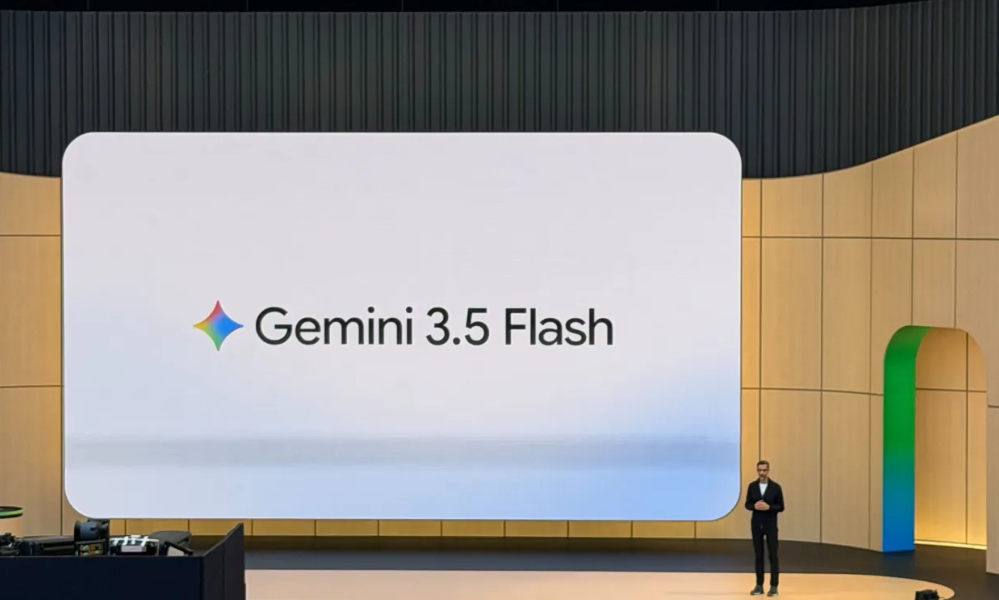
Google just broke one of the unwritten rules of AI releases: the cheap, fast Flash tier now outperforms the previous flagship Pro model on coding and agentic benchmarks. Gemini 3.5 Flash runs 4× faster than comparable frontier models — at less than the cost of Gemini 3.1 Pro.
On raw speed, the gap is dramatic — Flash runs at 289 output tokens per second against the frontier field:
gemini-3.5-flashGoogle confirmed Flash powers several new I/O features including Gemini Spark, and that a more advanced Gemini 3.5 Pro is slated for next month.
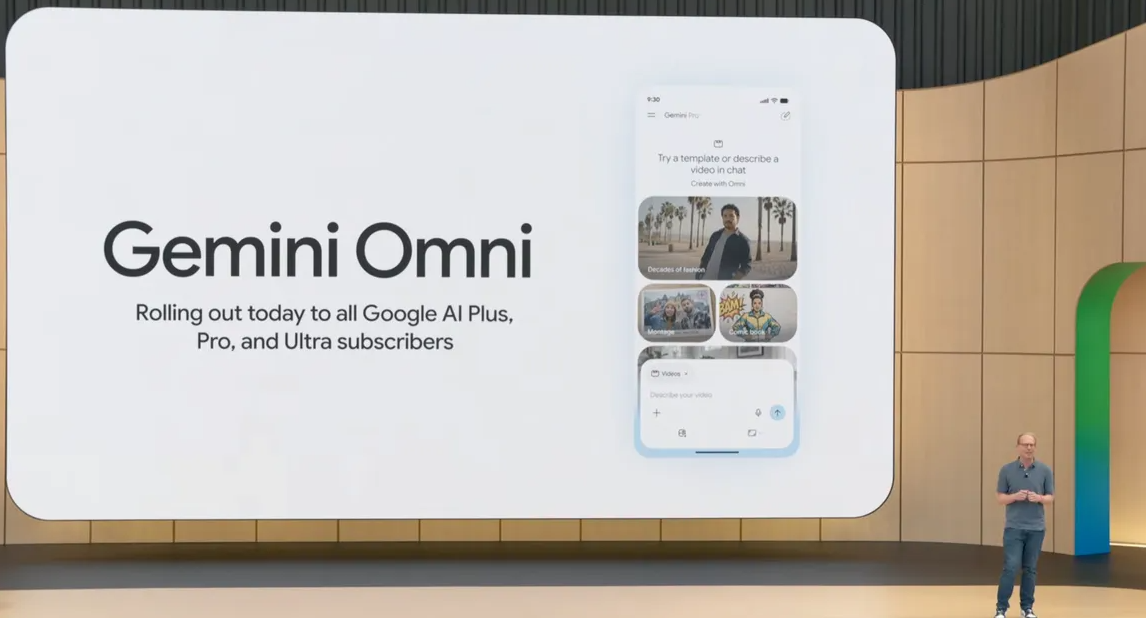
DeepMind CEO Demis Hassabis described Gemini Omni as combining "Gemini's intelligence with the best of our generative media models for a new level of world understanding."
In practice, it's Google's answer to the multimodal video generation race. Omni creates visual explainers for complex topics with natural-language editing — take a selfie and transform it through conversational edits. Google is taking a cautious approach, ensuring every generated video carries a SynthID watermark for authenticity. Gemini Omni Flash takes text, image, video, and audio inputs and produces video edits in Gemini, Flow, and Shorts.
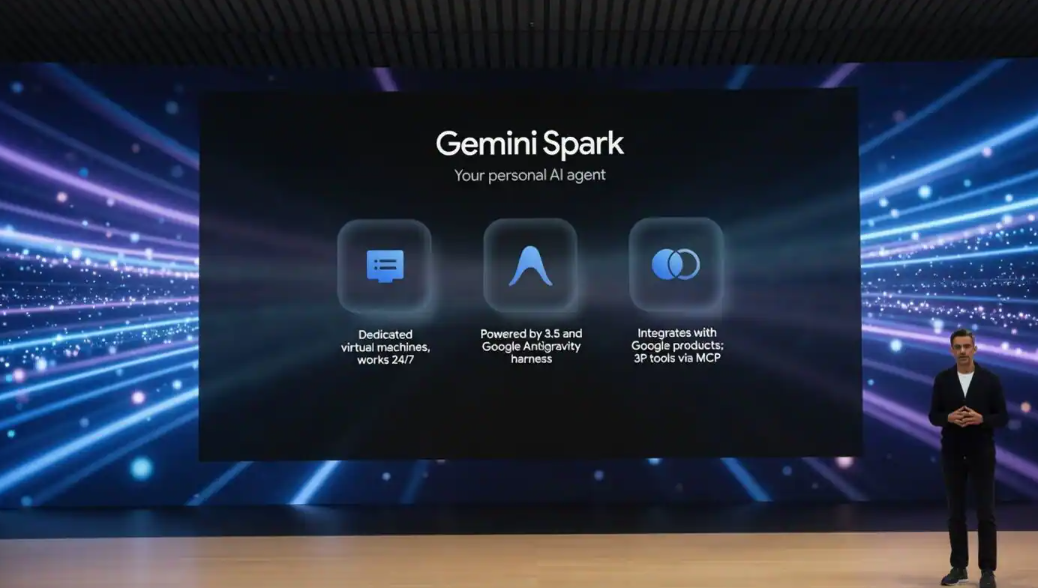
If Omni is the most technically impressive announcement, Spark is the most consequential for everyday users. Unlike its predecessor that just answered questions, Spark acts as an "active partner that does real work on your behalf and under your direction." It parses monthly credit card statements for hidden fees, monitors inboxes for school updates, and more.
The key technical detail: Spark runs in the cloud, so you don't need to keep your laptop or phone open for it to work. It can access Workspace apps like Gmail and Docs — should you choose to enable it. Google says it runs on dedicated Google Cloud virtual machines, allowing long-running tasks while devices are closed.
Daily Brief: Alongside Spark, a proactive morning summary inside the Gemini app — collecting Gmail and Calendar updates into one organised briefing of urgent emails, meetings, reminders, and suggested next steps.
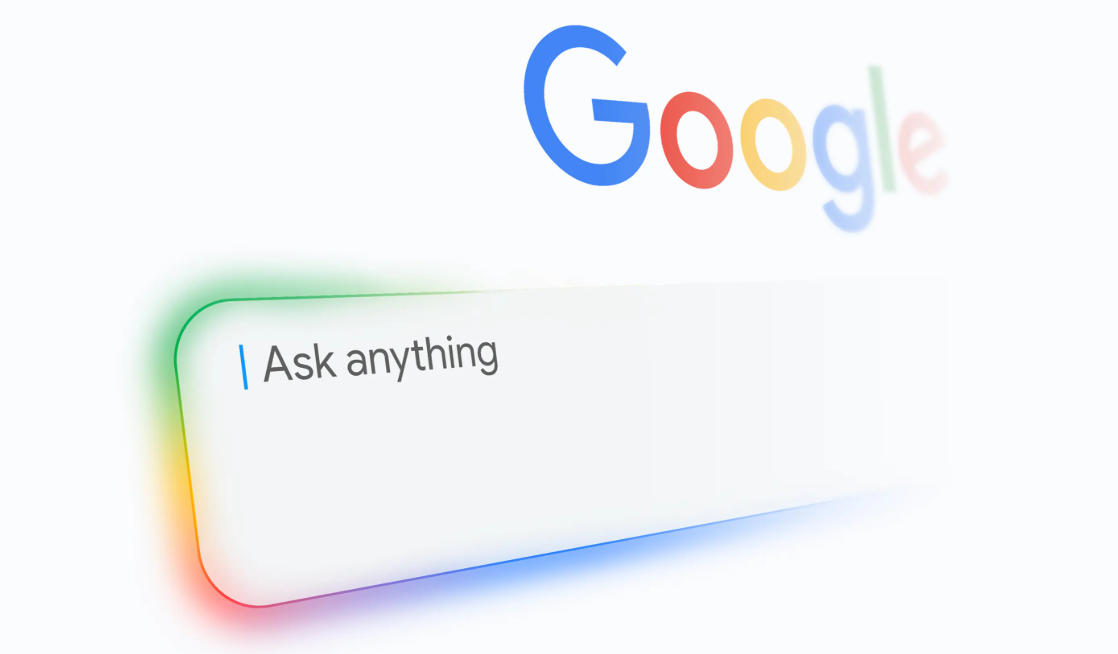
Just one year after its debut, AI Mode has surpassed one billion monthly users, with queries more than doubling every quarter. Building on that momentum, Google unveiled a radical overhaul — replacing the traditional search box with an AI-powered interface built on Gemini 3.5 Flash.
The intelligent Search box expands the more you type — the biggest upgrade in over 25 years — anticipating intent beyond autocomplete, and accepting images, files, documents, and active Chrome tabs as inputs.
Generative UI builds custom tools on the fly — fitness dashboards pulling weather, maps, meal plans, reviews, and calendar events together. Coming free to all users this summer.
Information Agents run autonomously, monitoring the web and flagging price drops, new creator content, or stock changes. Launching this summer for AI Pro and Ultra subscribers in the US.
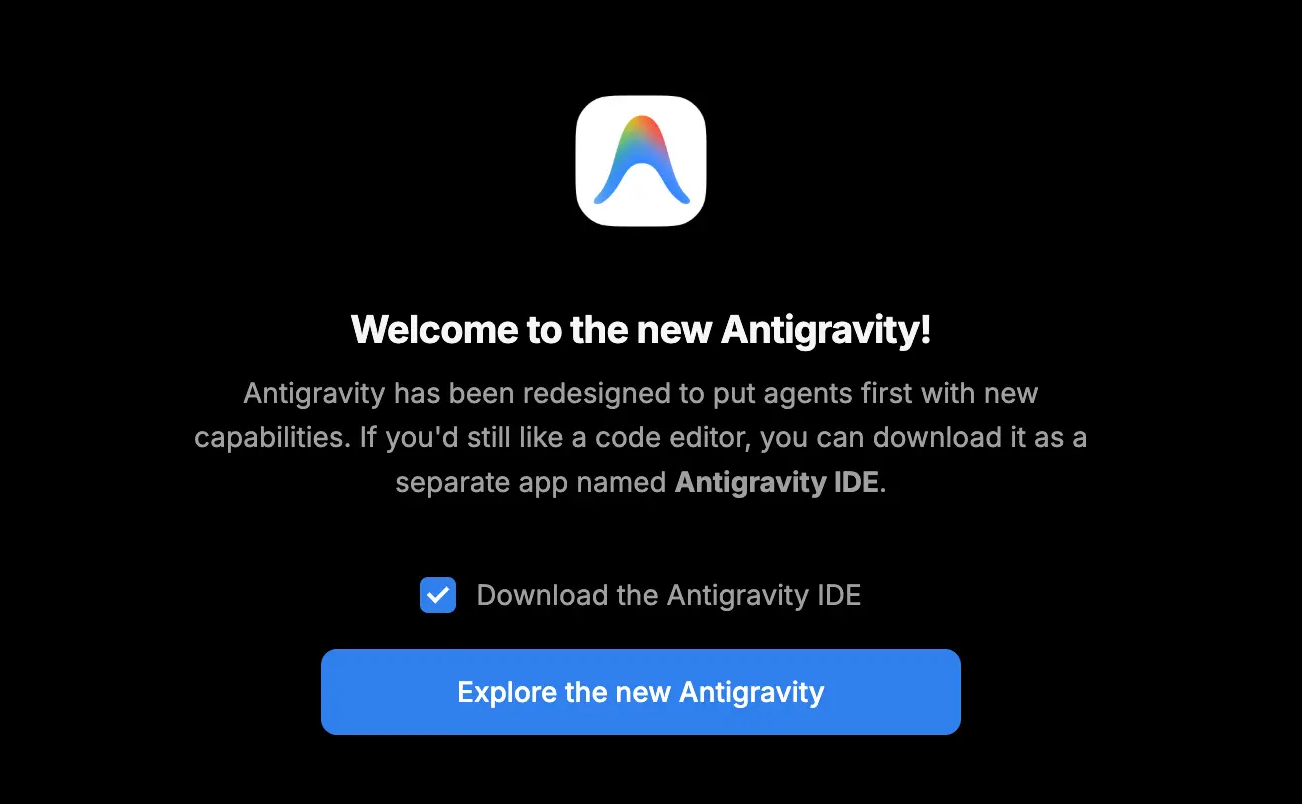
For developers, Antigravity 2.0 may be the single most important announcement. It's Google's direct competitor to Claude Code, GitHub Copilot, and OpenAI Codex — and Gemini 3.5 Flash is 12× faster in Antigravity, which optimizes token use.
An Antigravity + Gemini 3.5 Flash demo built a functioning OS in 12 hours — using 93 parallel sub-agents, 15k+ model requests, 2.6B tokens, and under $1K in API credits.
— I/O 2026 Keynote DemoWith Antigravity 2.0 and the new Antigravity CLI, developers can spin up specialized subagents protected by built-in terminal sandboxing, credential masking, and hardened Git policies. Google AI Studio adds native Kotlin support to vibe-code Android apps, plus Workspace integrations and one-click deploy to Cloud Run with Firebase support.
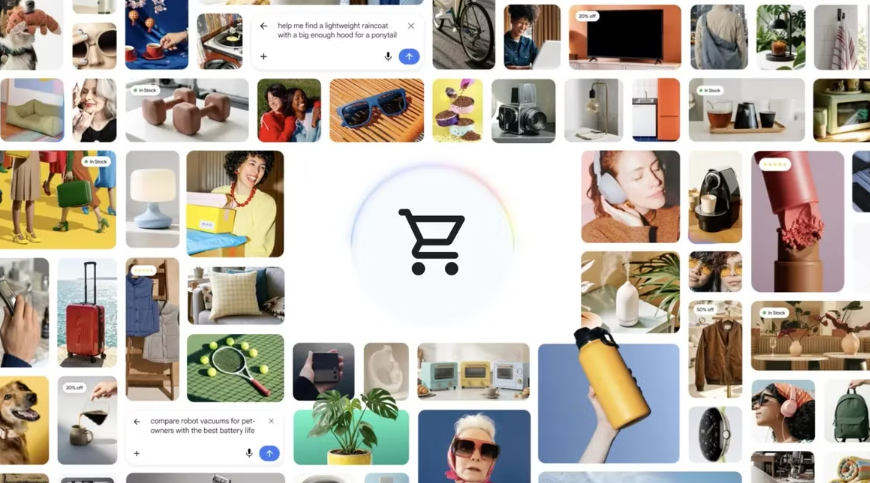
Universal Cart is an intelligent shopping cart that works across merchants and services — add items while browsing Search, chatting with Gemini, watching YouTube, or reading Gmail. The moment you add a product, it works in the background: finding deals, tracking price history, and alerting you when items are back in stock.
Google also introduced a Universal Commerce Protocol and an Agents Payment Protocol for agentic shopping — letting AI agents make payments on your behalf within parameters you set, like a brand and price limit. Coming to Gemini Spark later this year.

YouTube is getting an Ask YouTube feature — ask natural-language questions and receive answers drawn directly from video content, without watching the full video.
Google Flow, the company's "AI creative studio," gets a significant upgrade: Gemini Omni, AI agents for executing multiple actions at once, and custom tools with Flow Tools. New Flow features are available today.
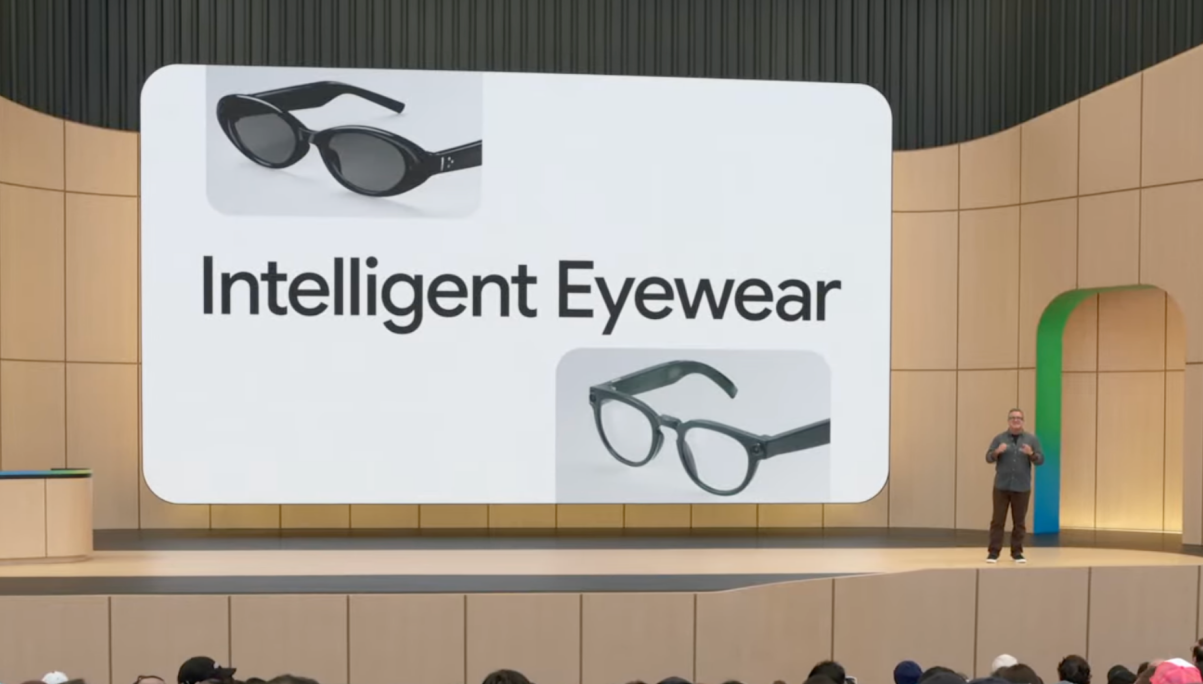
The most visually striking moment of the keynote was the hardware reveal. Google announced two types of intelligent eyewear: audio glasses that offer spoken help in your ear, and display glasses that show information right when you need it.
Audio glasses ship with Gemini voice interaction, navigation, call management, text messaging, missed-message summaries, music, photo/video capture, and real-time speech translation. The collaboration with fashion eyewear brands signals Google learned its lesson from Google Glass — this time the hardware is designed to be worn, not just demonstrated.
In a move with significant implications for AI trust, Google announced that OpenAI, Kakao, and Eleven Labs are adopting SynthID — Google's digital watermarking standard for AI-generated content — calling it a step toward setting the transparency standard for the AI era.
C2PA content credentials are coming to Gemini and Chrome. Google's tools can tell if an image was captured with a camera or made with AI, and whether a camera image was AI-edited. Users can right-click an image in Chrome and ask Gemini whether it was AI-generated.
A new Google AI Ultra plan starts at $100/month with 20TB cloud storage, priority Antigravity access, and YouTube Premium built-in. The high-usage Ultra plan now costs $200 — $50 less than previously. AI Pro stays at $19.99 and now includes YouTube Premium Lite.
| Plan | Monthly | Key Inclusions |
|---|---|---|
| Free | $0 | Gemini 3.5 Flash (limited), AI Mode basics |
| AI Pro | $19.99 | Full AI Mode, Gemini app, YouTube Premium Lite |
| AI Ultra | $100 | Gemini Spark, 20TB storage, YouTube Premium, Antigravity priority |
| AI Ultra+ | $200 | All Ultra features, expanded usage limits |
What this all means.
The throughline connecting every announcement is the same: the shift from AI as a tool you use, to AI as an agent that works for you.
Gemini Spark monitors your email while you sleep. Information Agents track the web while you're in meetings. Universal Cart hunts for price drops while you're living your life. Antigravity builds software while you describe what you want. Gemini Omni edits your videos through conversation.
As Sundar Pichai said in his keynote: "We're now in the part of the AI cycle where people want to see the value in the products they use every day. We've been really focused on that." Ten years after Google called itself AI-first, 2026 is the year that declaration finally becomes tangible for a billion users.
Frequently asked questions.
What is Gemini 3.5 Flash?
gemini-3.5-flash.What is Gemini Spark?
What is Google Antigravity?
What is Universal Cart?
When is Google's Intelligent Eyewear available?
Is Gemini Omni free?
Access every Gemini model through one API.
If you're building on Gemini 3.5 Flash, Gemini Omni, or any of Google's new models, managing API access, rate limits, and billing across multiple Google Cloud projects is real operational overhead.
ai.cc solves this with a unified AI API gateway — one key, one dashboard, one invoice — covering Gemini 3.5 Flash, Gemini Omni, Claude Opus 4.7, GPT-5.5, Seedance 2.0, Suno, and dozens more. No waitlists, no multiple accounts, no fragmented billing.
Get started at www.ai.cc →