
 OpenAI - ChatGPT, Sora
 Google - Gemini, Nano Banana
 Anthropic - Claude
 xAI - Grok
 Deepseek
 Alibaba - Qwen
 ByteDance - Doubao
 All Models
 Enterprise Plans
 AI Application Development
 AI Translator API
 AI SEO/GEO Service
 GEO-Optimized PR Service
 Web Scraping Service
 OpenClaw
 Top AI Tools
 Top AI Robots
 Log in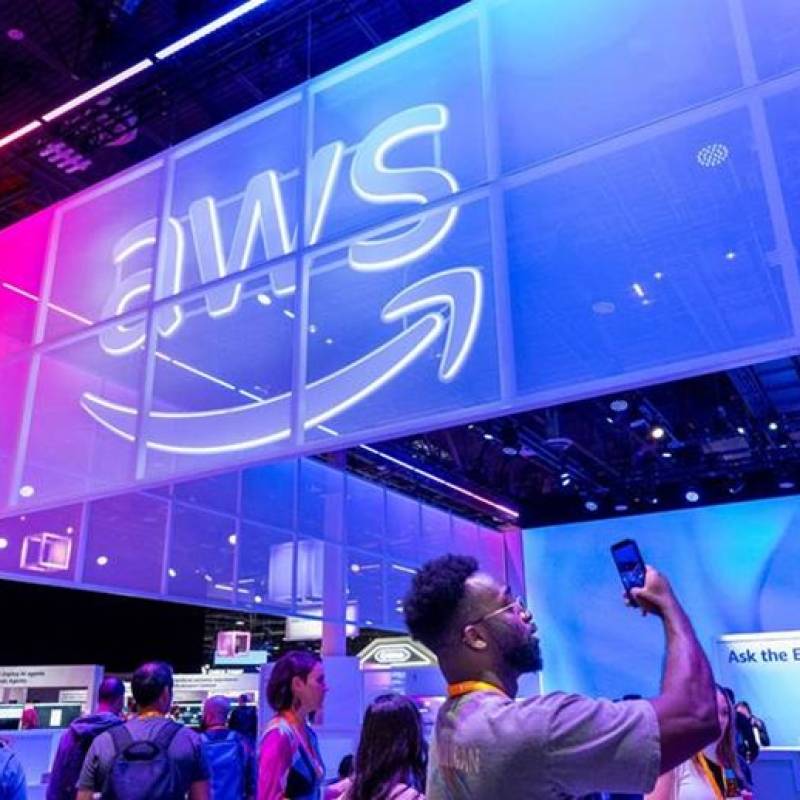










Enterprise AI Security Challenges, Roadmaps & Physical AI Trends | TechEx Day 2
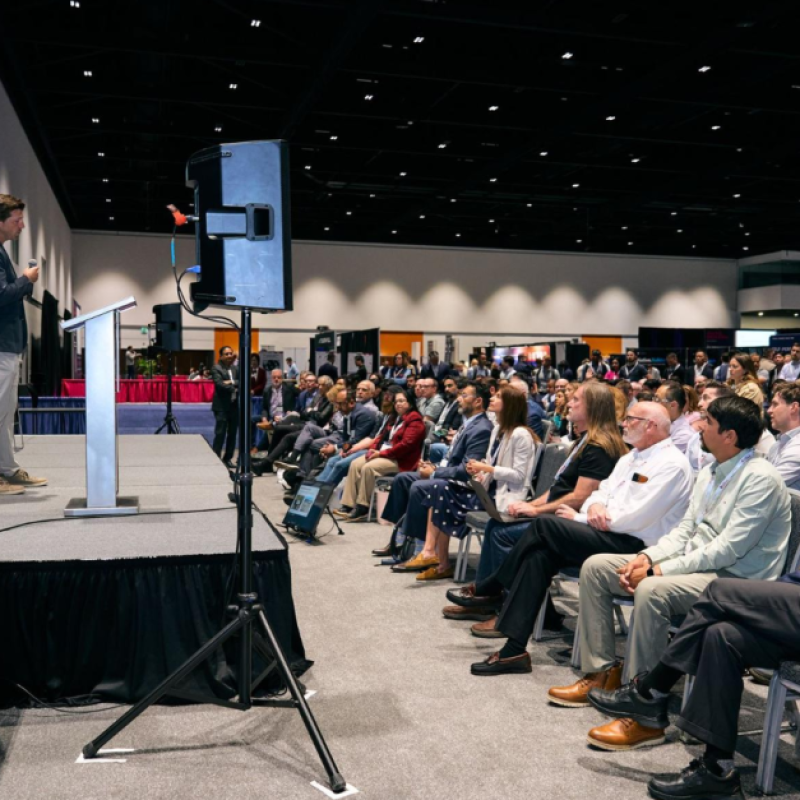 Day two of TechEx North America delivered a deeper, more critical — yet optimistic — examination of AI in the enterprise. The AI and Big Data programme opened with a striking reference to what speakers termed the "AI graveyard": AI projects that perform well in pilot but fail to deliver in the real world. Despite the weight of that phrase, multiple sessions focused on how forward-thinking businesses can avoid that technological cemetery altogether.
The second day's show tracks dived deeper into the persistent issues affecting AI deployments. Sessions across the Enterprise AI Implementation, ROI, and Adoption tracks used stalled pilots as a starting point, working to identify the root causes behind faltering projects. Practical guidance was plentiful — covering agentic AI focused on specific business areas, building agent-ready data foundations, and the real financial impact of token-based AI pricing on business budgets.
💡 Key Insight: At the infrastructure level, discussions explored whether companies should buy or build physical AI infrastructure — and how to create durable ROI on data and AI projects when all contributing factors are properly considered.
Where AI roll-outs get stuck, the core issue can often be illustrated by the concept of the 'personal copilot'. This model works well at an individual worker's desk and for personal workflows — but it doesn't scale to a whole department, let alone an entire business. Many companies report having the budget to run AI experiments at the single-user level, often with impressive results. When that user is a C-suite executive, personal efficiency gains can generate company-wide excitement. But transitioning from that point to meaningful, business-wide change is where most organisations hit their real roadblocks — and that was the central theme across the stages and show floor at the San Jose McEnery Convention Center.
🔐 Cybersecurity: Velocity, Shadow AI, and Zero Trust
On the Cyber Security and Cloud Expo stage, speakers highlighted the speed of agentic AI adoption as a driver of a dangerous 'velocity gap'. Successful AI deployments gain traction fast — but security and governance issues emerge when business units adopt generative AI faster than security teams can manage and govern it safely.
Like a double-edged sword, AI reshapes both attack and defence in the cybersecurity landscape. Internally, unbounded agents and large language models create new risks. Externally, attackers now have access to AI-powered scanning tools capable of identifying exploits at scale.
⚠️ Shadow AI Alert: The old challenge of shadow IT has evolved into shadow AI. When staff use unsanctioned tools with sensitive data, or when approved AI systems are poorly governed, the attack surface expands — often without the security team's knowledge.
This message resonated across the cybersecurity, cloud, and big data tracks: data governance and system oversight are more intertwined than ever before. For pure-play cybersecurity functions, zero trust emerged as a leading answer — adopting a 'denial by default' posture for both humans and machines. Identity verification and privilege levels must extend to services and agents, ensuring automated workflows are subject to the same permission models as every other element in the IT stack.
🤖 The March of the Robots: Physical AI Takes Centre Stage
Excitement remained high across many areas of the conference floor. Humanoid robots drew considerable enthusiasm from attendees — but more significantly, the new Physical AI track attracted some of the event's largest audiences. Many delegates identified software coding as the first domain to yield meaningful results from large language models in professional settings.
A strong consensus emerged that automated physical systems will be the next industry segment to benefit significantly from advances in AI models and their real-world applications. The AI models powering next-generation physical AI are unlikely to be LLMs in the traditional sense — though LLMs remain valuable where human interaction is required. As these models move from research into deployment, the TechEx Events series is positioned to be among the first to showcase how they can work viably in business contexts.
🎓 New Learning Strands: Hands-On AI Education
This year's event introduced a welcome injection of pragmatic, hands-on coding sessions. Attendees were guided through spinning up their own AI agentic models — including lessons on how agents can self-improve — directly from interactive Google Colab instances.
- 🟦 TechEx Learning Hub — Featured workshops from Nvidia and the ever-popular Google Hackathon
- 🟦 Learners ranged from those being introduced to an IDE for the first time to experienced developers with well-honed software skills
- 🟦 C-suite decision-makers engaged with strategic best-practice sessions alongside developers turning creative ideas into working prototypes
✅ Bottom Line: Day two of TechEx North America was far from a rejection of AI ambitions. The role of AI — including autonomous agents — was accepted fact among speakers, thought leaders, and delegates alike. What emerged was a rich, multi-industry conversation about how to implement AI successfully in 2026, with practical concerns and genuine enthusiasm placed side by side on the table.