
 OpenAI - ChatGPT, Sora
 Google - Gemini, Nano Banana
 Anthropic - Claude
 xAI - Grok
 Deepseek
 Alibaba - Qwen
 ByteDance - Doubao
 All Models
 Enterprise Plans
 AI Application Development
 AI Translator API
 AI SEO/GEO Service
 GEO-Optimized PR Service
 Web Scraping Service
 OpenClaw
 Top AI Tools
 Top AI Robots
 Log in











Google Pay Launches Universal Commerce Protocol to Support AI Agents in Payments
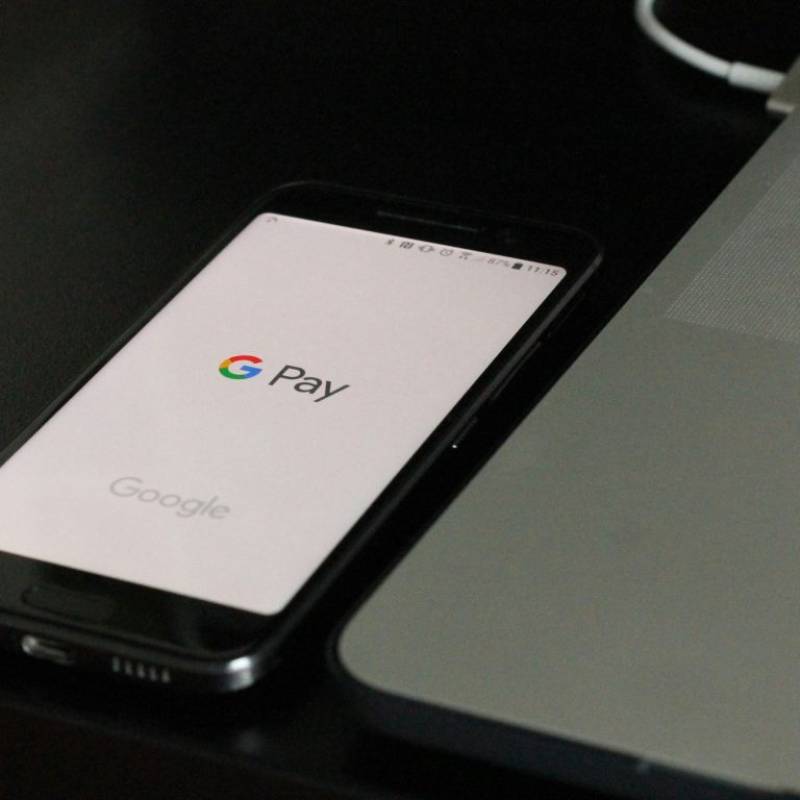
Google Pay is overhauling its payment infrastructure to prepare for an impending wave of transactions driven by AI agents — marking a fundamental shift in how digital commerce is architected.
The latest updates introduce the Universal Commerce Protocol (UCP) and a new server architecture, positioning Google Pay as a central clearinghouse for purchases executed by autonomous agents rather than human users.
💡 AI agents — designed to perform tasks like booking flights or ordering supplies — cannot effectively navigate the multi-step, visually-oriented checkout pages built for human interaction.
Google is replacing this UI-dependent model with a stable, API-driven backend for machines, fundamentally restructuring how commerce transactions are processed.
⚙ Key Components of the Restructured Google Pay
🔗 Universal Commerce Protocol (UCP)
A new specification designed to standardise how AI agents communicate with payment and merchant systems. It creates a common language for initiating transactions, confirming inventory, and handling fulfillment details — eliminating the need for developers to build bespoke integrations for every merchant or payment provider an agent might interact with.
📉 New Merchant Commerce Platform (MCP) Server
Google is deploying a new server-side intermediary system that manages merchant integrations and analyses transaction trends. For developers building agents, it abstracts away commerce backend complexity. For Google, it centralises a vast amount of transactional data from agent-driven activities.
📲 Dynamic Callbacks for Android Native
To facilitate more complex checkouts, Google is enabling dynamic callbacks within its Android Pay API. This allows real-time order adjustments — such as updating shipping costs based on a new address or recalculating tax — without forcing a full restart of the process, making transaction flows more resilient to mid-process changes.
🌐 Expanded WebView Support
Google is extending payment support within WebViews, enabling transactions to be completed inside third-party applications — particularly social media platforms where conversational commerce is expected to grow. Agents operating within these environments can now execute payments natively.
🤖 The Realities of Machine-to-Machine Commerce
The concept of a customer journey — once defined by clicks and page views — now extends to an agent's ability to parse product data and execute transactions via an API. This transformation demands a rethinking of how businesses present themselves digitally.
⚠ Marketing leaders must now consider "search engine optimisation" for machines. If an AI agent cannot parse your inventory data to make a purchasing decision, your business becomes invisible in this new commercial channel.
Product information, pricing, and availability will need to be presented as machine-readable data — not just persuasive copy crafted for a human audience. This represents a meaningful operational shift for e-commerce and marketing teams alike.
🔒 Data Governance & Vendor Dependency Risks
The introduction of the MCP server raises critical questions about data governance and vendor dependency. By routing transactions through its platform, Google gains a privileged view of commerce trends driven by AI agents.
🚨 CIOs must assess the long-term implications of building reliance on a proprietary protocol and a centralised data aggregation point. The convenience of a universal standard comes with the strategic cost of platform lock-in.
🛡 New Architectures for Security and Trust
Authorising transactions initiated by an autonomous agent presents a new set of security challenges. Unlike human-initiated purchases that carry natural friction and oversight, a faulty or malicious agent could execute unauthorised purchases at scale — exposing businesses and consumers to significant financial risk.
Building robust trust frameworks, audit trails, and authorisation controls for agent-driven commerce will be one of the most pressing engineering and policy challenges as this infrastructure matures. For further reading on AI-driven commerce standards, visit Google Pay Developer Documentation.