
 OpenAI - ChatGPT, Sora
 Google - Gemini, Nano Banana
 Anthropic - Claude
 xAI - Grok
 Deepseek
 Alibaba - Qwen
 ByteDance - Doubao
 All Models
 Enterprise Plans
 AI Application Development
 AI Translator API
 AI SEO/GEO Service
 GEO-Optimized PR Service
 Web Scraping Service
 OpenClaw
 Top AI Tools
 Top AI Robots
 Log in








How Aviva Used AI to Detect and Prevent £230M in Insurance Fraud
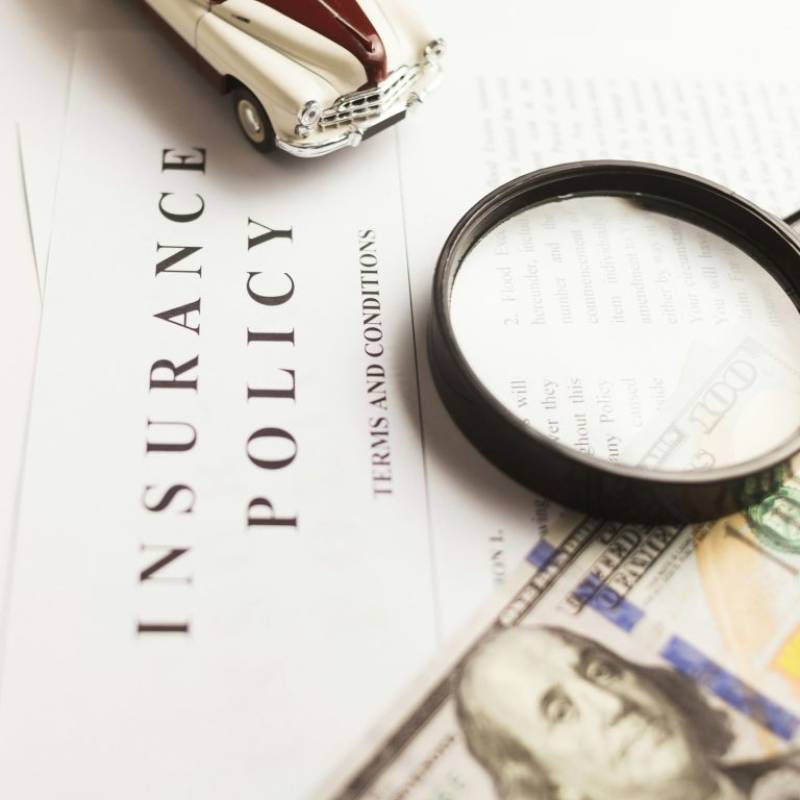
Aviva has uncovered a record £230 million in insurance fraud claims — and is now deploying advanced AI tools to counter a rapidly evolving threat landscape.
💬 "The battleground has changed — and the culprits are coming armed with a new generation of tools. We're now in an environment where AI is being used not just to defend against fraud, but to perpetrate it."
The insurance industry has long dealt with opportunistic dishonesty — a bumped car suddenly needing four new doors, or a minor slip becoming a life-altering injury. But according to Aviva's latest data, the nature of deception is getting deeper, more sophisticated, and harder for the human eye to catch.
🤖 Countering AI-Powered Insurance Fraud Factories
Aviva reports that scammers are now using AI to generate convincing fake car accident scenes. These aren't clumsy photoshop jobs — they're detailed, plausible images capable of fooling a claims handler working through a heavy caseload.
The same generative AI tools are being used to fabricate documents — from invoices for repairs that were never performed, to medical reports with no factual basis. Fraudsters no longer need a network of corrupt garages or medical professionals. A subscription to an AI service and a bit of imagination is all it takes.
⚠️ Key Concern: An individual or small group can now generate supporting evidence for dozens of high-value claims without ever leaving their desk. How do you validate reality when reality itself can be so easily and cheaply faked?
🔍 How Aviva's AI Defence System Works
Aviva's response has been to build an AI-powered defence system capable of operating at the same scale and speed as the threat itself. At its core, the system performs pattern recognition across millions of data points drawn from current and historical claims.
When a new claim is submitted, the AI cross-references multiple dimensions simultaneously:
- ✅ Does the damage in photos match the physics of the described accident?
- ✅ Do document timestamps logically align?
- ✅ Has the vehicle registration appeared in other suspicious claims?
- ✅ Are quoted repair costs outliers compared to thousands of similar repairs in the database?
This level of forensic analysis would be impossible to perform manually on the thousands of claims filed each day.
💰 From Organised Crime to Exaggerated Claims
It's important to note that not all fraud originates from organised criminal gangs. A portion of the £230 million figure comes from what the industry calls "claims inflation" — the more common form of fraud where policyholders or service providers pad the bill.
📋 Example: A garage may add unnecessary repairs to a quote, or an individual may exaggerate the value of items stolen in a burglary. AI can instantly flag when a quoted price is an outlier by comparing it against hundreds of similar repairs in the same region, for the same make and model.
🧑💻 The Human-in-the-Loop Approach
The goal of Aviva's AI is not to outright deny claims. It functions as an augmentation tool for human investigators — acting as a filter that surfaces the most likely instances of fraud for expert review.
This human-in-the-loop approach is essential for ensuring fairness and preventing the system from becoming a black box that makes unchecked decisions.
🌐 A Blueprint for the Generative AI Era
What Aviva is doing offers a potential roadmap for any customer-facing enterprise navigating the generative AI era. The same technology that creates these threats is also the most effective weapon to combat them.
💡 "As it becomes easier to fake everything from identities to invoices, the only viable defence is an intelligent system that can learn, adapt, and spot deception at a scale that humans alone can't match."
🔗 Related reading: Aviva Official Website | Aviva Newsroom