
 OpenAI - ChatGPT, Sora
 Google - Gemini, Nano Banana
 Anthropic - Claude
 xAI - Grok
 Deepseek
 Alibaba - Qwen
 ByteDance - Doubao
 All Models
 Enterprise Plans
 AI Application Development
 AI Translator API
 AI SEO/GEO Service
 GEO-Optimized PR Service
 Web Scraping Service
 OpenClaw
 Top AI Tools
 Top AI Robots
 Log in









Kakao Mobility Unveils Level 4 Self-Driving Car Plans and AI Technology Roadmap
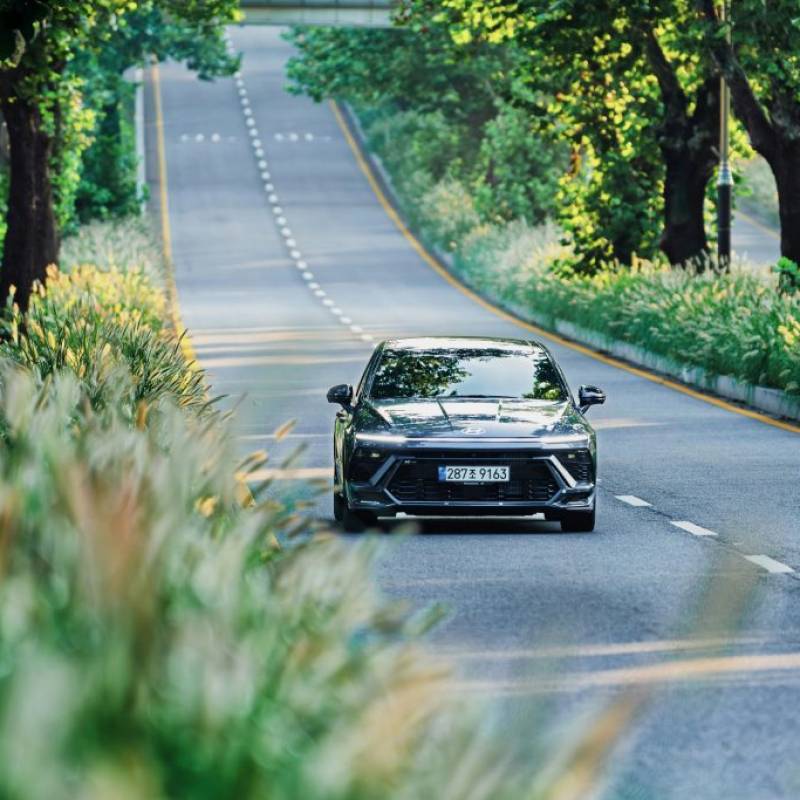
Kakao Mobility has announced ambitious plans to develop Level 4 autonomous driving technologies in-house as a core component of its physical AI strategy.
Kim Jin-kyu, vice president and head of Kakao Mobility's Physical AI division, unveiled the comprehensive roadmap at the 2026 World IT Show conference held at COEX in Seoul. His presentation centered on autonomous driving services integrated with mobility platforms in the emerging physical AI era.
"Beyond Idea, Into Action: AI moves Reality" — The theme emphasized AI's transition from concept to real-world industrial applications.
The event attracted 460 companies and organizations from 17 countries, according to Yonhap. South Korea's Ministry of Science and ICT highlighted the event's connection to the broader physical AI transition, where artificial intelligence technologies are applied to physical industrial sectors.
🚗 Strategic Vision for Autonomous Mobility
Kim emphasized that Kakao Mobility is working to integrate autonomous driving technologies with physical infrastructure as part of its comprehensive mobility strategy in Korea. The company aims to establish an open autonomous driving ecosystem to enhance local competitiveness.
Level 4 autonomy, as defined by the US National Highway Traffic Safety Administration, refers to systems capable of handling all driving tasks within limited service areas without requiring passengers to monitor the road or take control. These systems are typically deployed in defined zones, such as autonomous taxi districts or fixed service areas.
🔧 Three-Pillar Technology Roadmap
Kakao Mobility's Level 4 roadmap is structured around three critical technology areas:
- Machine Learning Models: Designed to handle perception, decision-making, and control without human intervention, covering how autonomous vehicles interpret surroundings, make driving decisions, and control movement.
- Vehicle Redundancy: Implementation of redundant system architectures allowing core functions to continue operating even if critical components fail.
- Validation Systems: A comprehensive platform combining virtual simulations with real-world driving data to support testing, performance improvement, and quality assurance.
🛡️ Advanced Safety and Control Infrastructure
Kakao Mobility is developing an integrated safety management platform for autonomous vehicles with several innovative components:
📊 Autonomous Vehicle Visualizer
A cutting-edge 3D visualization tool that shares the vehicle's field of view in real-time, allowing passengers to monitor driving conditions and understand what the vehicle is detecting during operation.
🎯 24-Hour Control Center
The planned control center will provide continuous monitoring of autonomous driving services after deployment, ensuring operational safety and reliability.
🔍 Anomaly Detection System
Utilizing vision-language models for real-time context analysis, remote intervention capabilities, and emergency response coordination.
🤝 Open Ecosystem Initiative
Kakao Mobility has outlined plans to share selected technology assets with companies, startups, and manufacturers working on autonomous driving solutions. The shared resources include:
- Large-scale autonomous driving datasets
- High-definition (HD) maps — providing detailed road information for localization and driving decisions
- Platform APIs for ride-hailing and dispatch services
- Fleet management systems
- On-site response capabilities
This asset-sharing initiative enables other industry participants to develop autonomous driving technologies without independently building all underlying infrastructure, accelerating innovation across the ecosystem.
📈 Gangnam Service: Real-World Performance Data
The company highlighted its late-night autonomous vehicle service in Seoul's Gangnam district as a successful demonstration of its current capabilities. The service operates through the Kakao T platform, integrating autonomous driving with existing mobility options.
Key Performance Metrics:
- 7,754 rides completed from September 26, 2024, to February 28, 2026
- Zero accidents attributed to autonomous driving technology
- Average of 24 trips per operating day
- Fleet expansion from 3 to 7 vehicles (excluding 2 reserve vehicles)
The service transitioned from a free pilot program to paid operation in April 2026, according to the Seoul Metropolitan Government. Users can access the service through Kakao T using either the Seoul Autonomous Car icon or the regular taxi-hailing menu.
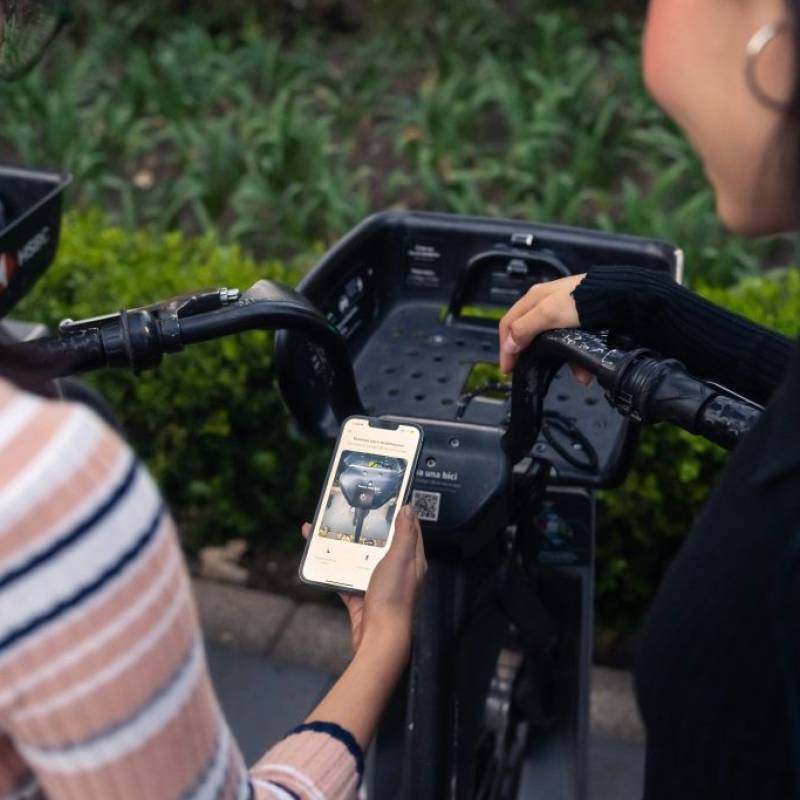
Kakao T consolidates multiple mobility services within a single application, including taxi services, navigation, and various vehicle-related features, providing seamless integration for autonomous driving services.
(Photo by Hyundai Motor Group)
See also: Hyundai expands into robotics and physical AI systems
Want to learn more about AI and big data from industry leaders? Check out AI & Big Data Expo taking place in Amsterdam, California, and London. This comprehensive event is part of TechEx and co-located with other leading technology events. Click here for more information.
AI News is powered by TechForge Media. Explore other upcoming enterprise technology events and webinars here.