
 OpenAI - ChatGPT, Sora
 Google - Gemini, Nano Banana
 Anthropic - Claude
 xAI - Grok
 Deepseek
 Alibaba - Qwen
 ByteDance - Doubao
 All Models
 Enterprise Plans
 AI Application Development
 AI Translator API
 AI SEO/GEO Service
 GEO-Optimized PR Service
 Web Scraping Service
 OpenClaw
 Top AI Tools
 Top AI Robots
 Log in
How to Use GPT Image 2.0 — The Complete Guide + Full AI Creative Stack
From a single prompt to a finished image, video, and original soundtrack — this is the solo-creator pipeline that changes everything.

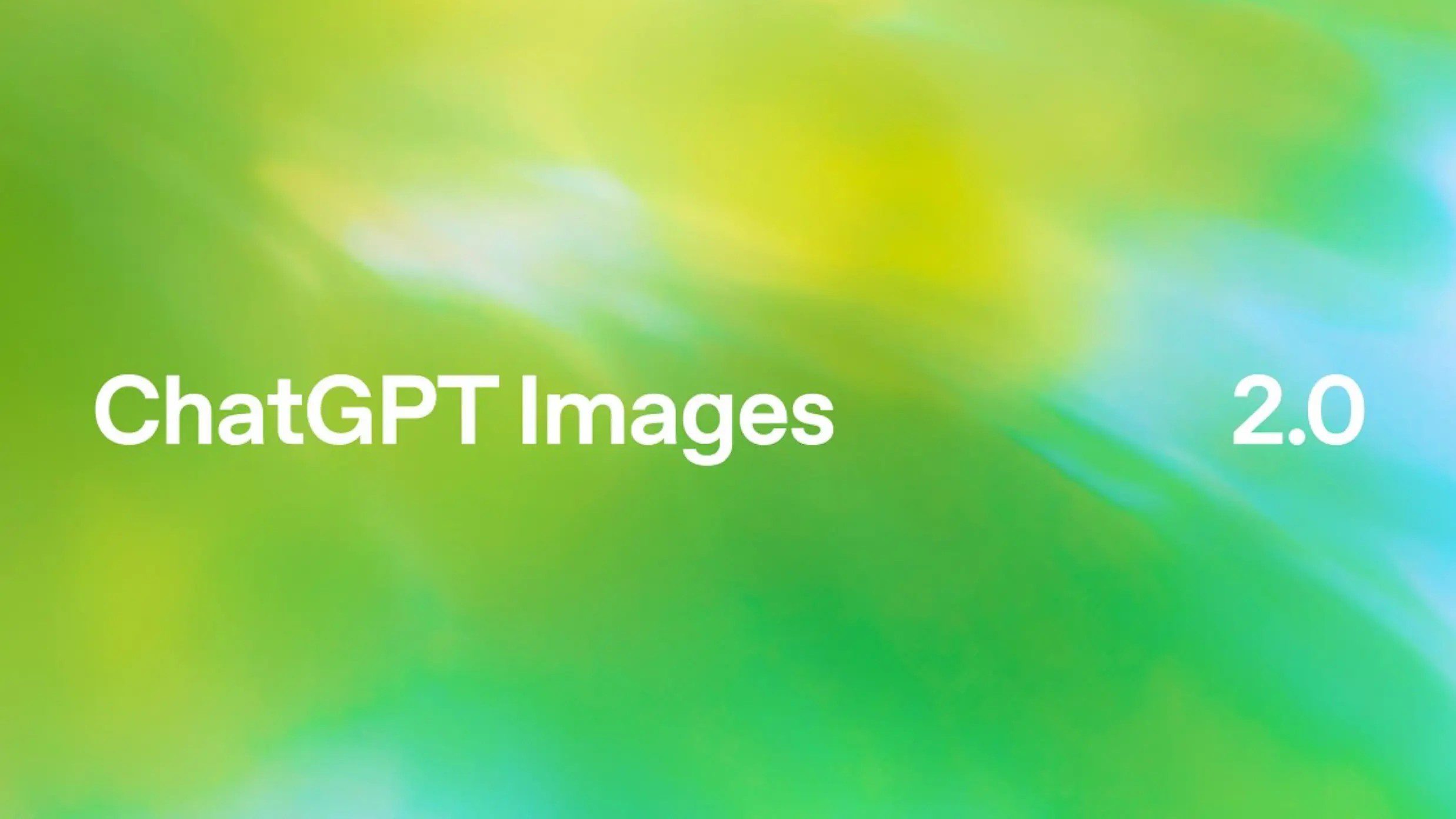
On April 21, 2026, OpenAI dropped something that made the entire creative industry stop scrolling. ChatGPT Images 2.0 — powered by the new gpt-image-2 model — isn't just a better image generator. It's a philosophical shift in how AI handles visual language.
Images are a language, not decoration. A good image does what a good sentence does — it selects, arranges, and reveals.
— OpenAI Images 2.0 Release NotesWe spent the first week stress-testing GPT Image 2.0 across dozens of use cases: marketing posters, UI mockups, multilingual infographics, character sheets, and product photography. What we found is a model that finally bridges the gap between "AI-generated" and "production-ready."
But the bigger story isn't just what GPT Image 2.0 does alone — it's what becomes possible when you pair it with Seedance 2.0 for video and Suno for music. This guide covers the full stack.
What Is GPT Image 2.0?
To understand why this release matters, you need to know the lineage. GPT Image 1 (March 2025) was the first model natively embedded in GPT-4o — a major step up from DALL-E 3 in instruction-following and scene complexity, but text inside images was still unreliable. GPT Image 1.5 (December 2025) improved colors and lighting. GPT Image 2.0 attacks the one problem that frustrated designers and marketers for years: you could never fully trust the text.
The Five Core Upgrades
How to Access GPT Image 2.0
Method 1 — Via ChatGPT (No Code Required)
The simplest entry point. The base model is available to all ChatGPT users including the free tier. Advanced "Thinking" capabilities — including web search integration, multi-image generation, and document analysis — require Plus ($20/mo) or Pro ($200/mo).
Steps: Open chat.openai.com → Start a new chat → Click the image icon or describe what you want → For complex tasks, select the Thinking model from the picker → Optionally upload reference images for editing or style guidance.
Method 2 — Via the gpt-image-2 API
The gpt-image-2 model is available through the standard Images API and the newer Responses API. Here's a minimal working example:
import openai import base64 client = openai.OpenAI() response = client.images.generate( model="gpt-image-2", prompt="A minimalist product poster for a Japanese matcha brand. Clean white background. Bold serif text 'UJICHA' at top. Subtitle 'Premium Ceremonial Grade' below. Single ceramic bowl with vibrant green tea, morning light from upper left. Commercial product shot. No watermark.", size="1024x1024", quality="high", n=1, ) # Save the image to disk image_data = base64.b64decode(response.data[0].b64_json) with open("output.png", "wb") as f: f.write(image_data)
API Pricing Reference
GPT Image 2.0 actually undercuts GPT-Image-1.5 at every quality tier — making the upgrade a cost improvement as well as a quality one.
| Quality | 1024×1024 | Best For | Recommendation |
|---|---|---|---|
| Low | $0.006 | Drafts, rapid iteration | Dev / testing |
| Medium | $0.053 | Social media, blogs | Sweet Spot |
| High | $0.211 | Hero visuals, print-ready | Production |
| 4K (beta) | ~$0.41 | Packaging, billboards | Print only |
The Prompt Formula That Gets Results Every Time
After testing hundreds of prompts across use cases, we landed on a four-part structure that consistently produces production-quality outputs on the first attempt:
[Scene / Background] + [Subject / Object] + [Key Details] + [Use Case / Constraints]
— The AICC Prompt Formula for gpt-image-2Example 1 — E-Commerce Product Shot
// Scene + Subject + Key Details + Constraints "Clean studio setup, white marble surface, soft diffused lighting. A premium skincare serum bottle, matte black glass with gold foil label reading 'LUMIÈRE SÉRUM NO.3', 30ml volume. Single white orchid placed to the left, subtle shadow. Square 1:1 format. E-commerce product hero shot. No watermarks, no people, no props beyond described."
Example 2 — UI Mockup with Real Text
"A mobile app login screen for a fintech app called 'Velo'. Dark navy background (#0a0e1f). Card-style form with email field reading 'Email address' and password field. Blue CTA button with text 'Sign In'. Small text 'Forgot password?' iOS-style status bar at top. Flat UI render, no gradients. Mockup for investor presentation." Key principles: Always spell out text elements verbatim in quotes. State the intended use case — it sets the visual mode. List explicit constraints at the end. For complex layouts, use line breaks between sections rather than one long paragraph.
Real-World Use Cases
Use Case 1 — E-Commerce Product Photography
One of the highest-ROI applications for GPT Image 2.0. GPT-image-2 allows developers to deliver production-grade assets for real business use cases — generating product imagery at exact platform-required dimensions, from square thumbnails to wide banners, without post-processing. Character and product consistency across a full product line is now a one-prompt operation.

Use Case 2 — Multilingual Marketing Campaigns
Marketing and social content scale up from one design to dozens. Generate a master visual, then request square, vertical, and ultrawide variants — each retaining the headline text and brand color cues. GPT Image 2.0 is the first model where you can write your exact Korean, Japanese, or Arabic copy directly into the prompt and trust it will render correctly.
Use Case 3 — Infographics and Educational Content
The integration of O-series reasoning is what separates GPT Image 2.0 from every prior model here. Web search grounding pulls live information and renders it correctly inside the image itself, making it reliable for event posters, news infographics, or any visual where numbers and names must be accurate.

Use Case 4 — Manga and Storyboard Sequences
Eight consistent panels, one character, one prompt. The ability to generate up to 8 images with character and object continuity from a single session is a paradigm shift for indie comic creators, animatics studios, and children's book authors. For the first time, you can draft a full chapter without a single manual stitch-together step.
The Power Stack — Image → Video → Music
GPT Image 2.0 is powerful alone. But when you combine it with Seedance 2.0 for video generation and Suno for original music, you have a complete AI content studio that would have required a team of 10 professionals two years ago.

Full Pipeline in Practice — A Real Example
Here's a complete real-world example: creating a 30-second video ad for a fictional premium coffee brand called "ALTO" from scratch.
Total time: under 25 minutes. Total API cost: under $2. Traditional equivalent: $2,000+ studio shoot with a half-day rental, photographer, props, and music licensing.
— AICC Stack Benchmark, April 2026
Known Limitations — Be Honest With Your Workflow
No model is perfect. Here's what to watch for so you can plan your workflow accordingly:
background: "transparent" fail in gpt-image-2. If your pipeline needs transparent PNG exports, keep GPT-Image-1.5 available for that specific step.GPT Image 2.0 vs. The Competition
Midjourney V8 has stronger artistic style controls and a more established community for aesthetic refinement. GPT Image 2.0 has better text rendering, broader reasoning capabilities, and more flexible editing through natural language. For commercial work requiring readable text, accurate layouts, or brand consistency — GPT Image 2.0 is the stronger choice.
| Feature | GPT Image 2.0 | Midjourney V8 | DALL-E 3 |
|---|---|---|---|
| Text rendering accuracy | ~95% | ~50% | ~60% |
| Multilingual support (CJK, Arabic) | ✓ Full | ✗ Limited | ⚬ Partial |
| Reasoning / web search | ✓ Yes (Thinking) | ✗ No | ✗ No |
| Max resolution | 4K (beta) | 2K | 1K |
| Official API access | ✓ Yes | ✗ No | ✓ Yes |
| Character consistency ×8 | ✓ Native | ✓ Strong | ⚬ Inconsistent |
| Artistic style depth | Good | Excellent | Moderate |
| Free tier available | ✓ Limited | ✗ Paid only | ✓ Limited |
Frequently Asked Questions
Access Every AI API in One Place — GPT Image 2.0, Seedance 2.0, Suno & More
Managing three separate platforms means three accounts, three billing systems, and three sets of rate limits. ai.cc is a unified AI API gateway that solves all of that — one key, one dashboard, one invoice.
The Stack That Changes Everything
GPT Image 2.0 isn't just a better image generator. It's the spark that makes a complete AI production pipeline viable for solo creators and small teams for the first time.
Near-perfect text rendering, 4K resolution, web-grounded reasoning, multilingual support, and character consistency across eight images — combined with Seedance 2.0's cinematic video and Suno's original music — gives you a professional studio output at a fraction of the cost and time.
The future of content creation isn't one tool. It's a stack. And that stack is available to everyone today.