
 OpenAI - ChatGPT, Sora
 Google - Gemini, Nano Banana
 Anthropic - Claude
 xAI - Grok
 Deepseek
 Alibaba - Qwen
 ByteDance - Doubao
 All Models
 Enterprise Plans
 AI Application Development
 AI Translator API
 AI SEO/GEO Service
 GEO-Optimized PR Service
 Web Scraping Service
 OpenClaw
 Top AI Tools
 Top AI Robots
 Log in





Claude Opus 4.7 just dropped—
Anthropic's most powerful public AI model is here, and it's built for real work.
On April 16, 2026, Anthropic officially released Claude Opus 4.7, its latest flagship model. This isn't just another incremental update — it's a clear step forward in autonomous coding, long-running agentic tasks, high-resolution vision, and consistent instruction following. Developers and power users are already reporting they can hand off complex projects with far less supervision than before.

01What Makes Claude Opus 4.7 Stand Out?
Anthropic designed Opus 4.7 specifically to excel at the hardest parts of software engineering and knowledge work. Key improvements include:
Superior agentic coding performance
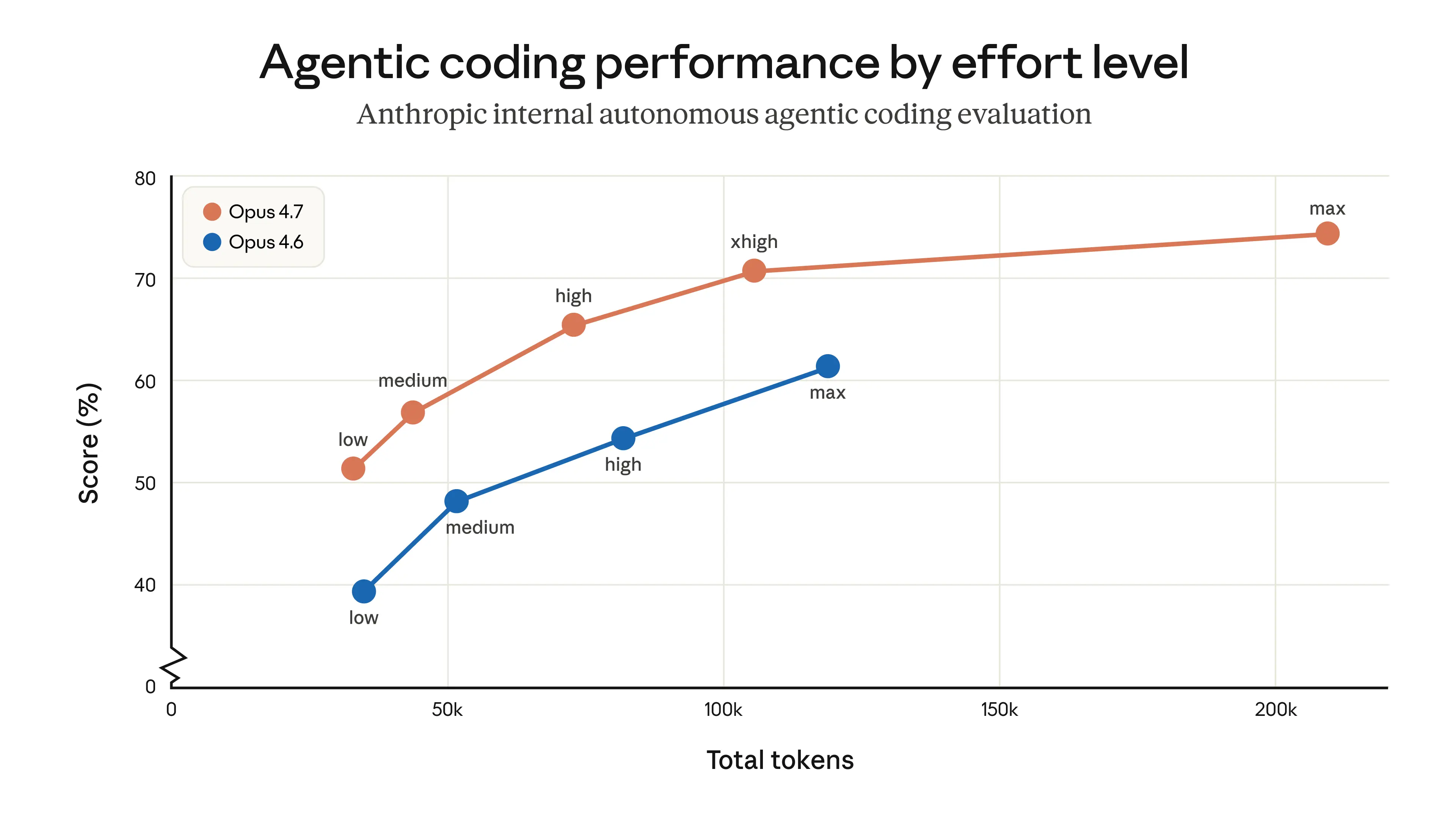
On SWE-bench Pro, it jumps to 64.3% resolution rate (up from 53.4% in Opus 4.6). Internal 93-task coding benchmarks show a 13% lift, solving several tasks that previous versions couldn't handle. It's more autonomous, creative in reasoning, and better at self-verification.
High-resolution vision
Now supports images up to ~3.75 megapixels (over 3× previous resolution), delivering major gains in visual reasoning and document understanding.
Long-running tasks & effort control
A new "x-high" effort level, task budgets for cost control, and stronger consistency on multi-hour workflows.
Better instruction following
Reduced misaligned behavior and more reliable output across complex prompts.
Early tests show it pulling ahead in knowledge work benchmarks too, with a strong Elo score on GDPVal-AA.

02Claude CoWork: Your Persistent AI Teammate
Less like prompting an AI. More like delegating to a capable colleague who stays on task.
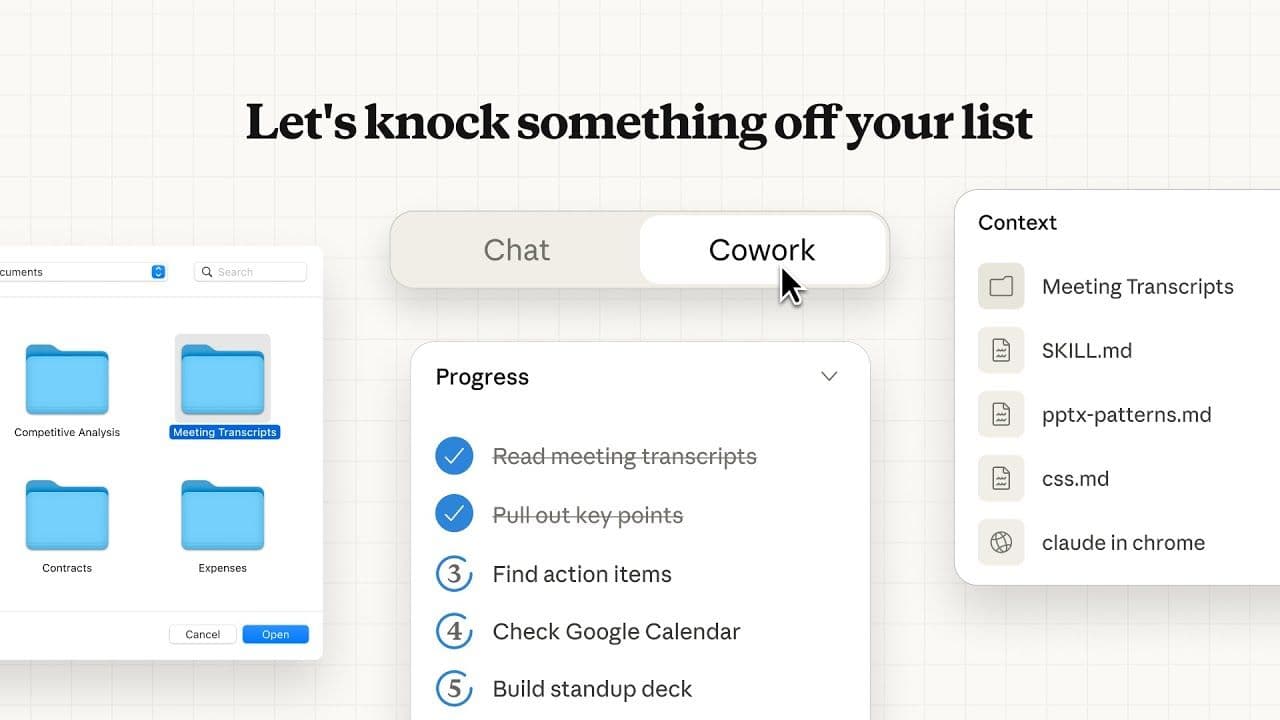
Alongside the model, Anthropic made Claude CoWork generally available on the macOS and Windows desktop apps. This mode turns Claude into a reliable "coworker" that handles ongoing projects — organizing files, summarizing research, extracting data from documents, and keeping context across sessions.

03How It Compares (and the Mythos Tease)
Anthropic is transparent: Opus 4.7 is their most capable publicly available model, but it trails their internal Claude Mythos Preview on several frontiers (especially cybersecurity capabilities, which led Anthropic to keep Mythos under tight control for safety). Still, for everyday production use, Opus 4.7 sets a new bar among generally available models.
Pricing stays the same, and it's immediately accessible via Claude.ai, the API, Amazon Bedrock, Google Vertex AI, and more.
Whether you're refactoring large codebases, building autonomous agents, analyzing high-res images and documents, or running persistent workflows, Claude Opus 4.7 makes AI feel more like a true collaborator.
04FAQ
Is Claude Opus 4.7 significantly better than Opus 4.6 for coding?
Yes, especially on difficult, long-running, and agentic tasks. Users report needing far less oversight, with clear gains on benchmarks like SWE-bench Pro and internal coding evaluations.
Do I need to pay extra or change my plan?
No. It's available now to existing Pro, Team, and Enterprise users on claude.ai and the desktop app. API users can switch by updating the model name to claude-opus-4-7.
What about the new vision capabilities?
Image resolution support jumped dramatically (up to ~3.75MP), leading to much stronger performance on visual reasoning and multimodal tasks.
How does it relate to Claude Mythos?
Mythos Preview is Anthropic's more powerful internal model (particularly strong in cybersecurity), but it remains unreleased due to safety considerations. Opus 4.7 is the best option you can use today.
Can I try it right away?
Yes — head to claude.ai or update your API calls. Limited free tiers exist, while paid plans unlock full Opus 4.7 performance.
Any new tools or features with the release?
Claude CoWork is now fully rolled out on desktop, and the model supports better effort controls and task budgeting for agents.