
 OpenAI - ChatGPT, Sora
 Google - Gemini, Nano Banana
 Anthropic - Claude
 xAI - Grok
 Deepseek
 Alibaba - Qwen
 ByteDance - Doubao
 All Models
 Enterprise Plans
 AI Application Development
 AI Translator API
 AI SEO/GEO Service
 GEO-Optimized PR Service
 Web Scraping Service
 OpenClaw
 Top AI Tools
 Top AI Robots
 Log in






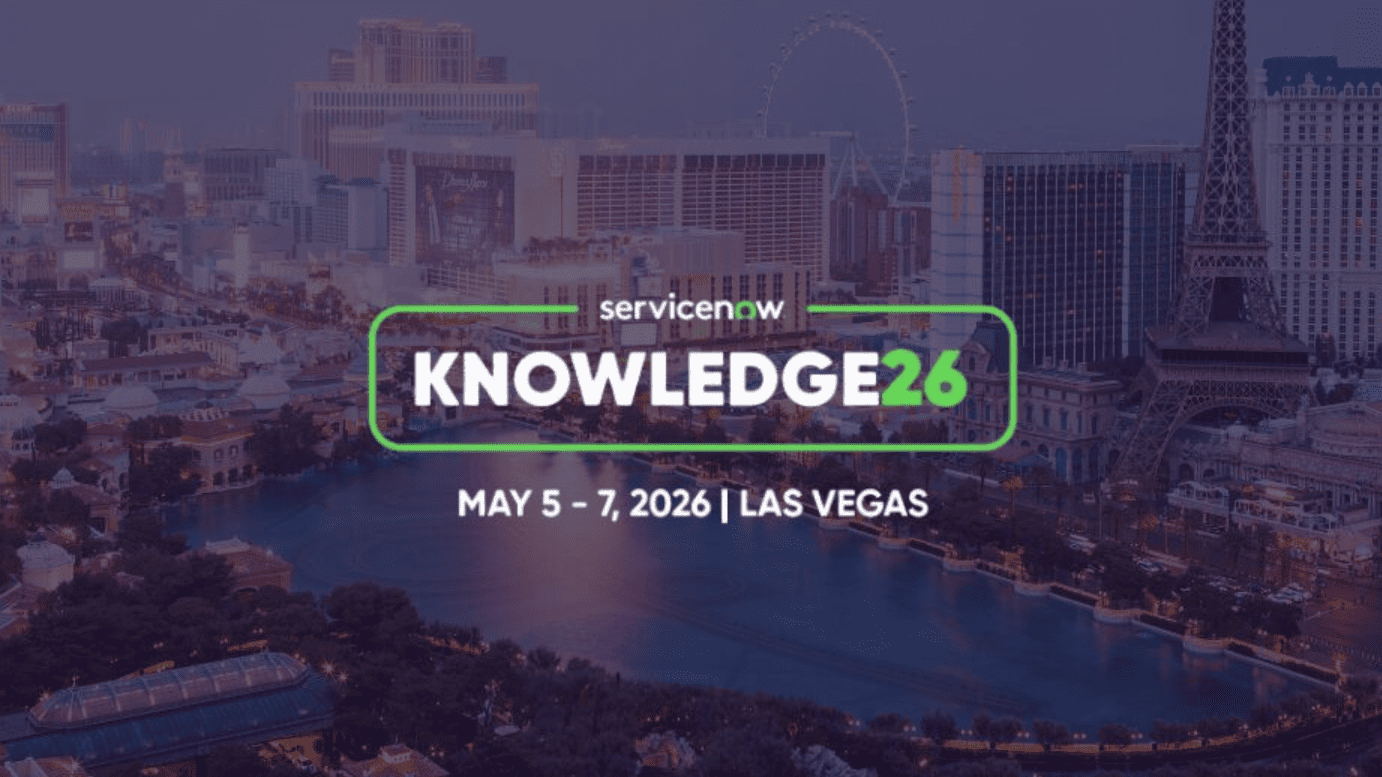
ServiceNow wants your
AI to actually work.
From the floor of Knowledge 2026 in Las Vegas — ServiceNow's pitch was unsubtle: the era of AI as polite copilots is over. Welcome to the Agentic Business, where AI specialists plan, execute, and complete entire workflows alongside humans — securely, auditably, and at enterprise scale.
From AI chaos to governed autonomy.
ServiceNow Chairman and CEO Bill McDermott opened the event by framing the stakes around a now-familiar number: a projected shortage of 50 million workers by 2030. At the same moment, billions of AI agents are coming online inside enterprises with no shared visibility, no shared policy, no shared kill switch. The pitch: shift from advisory AI to autonomous execution — but only if you can see and govern what the agents are doing.
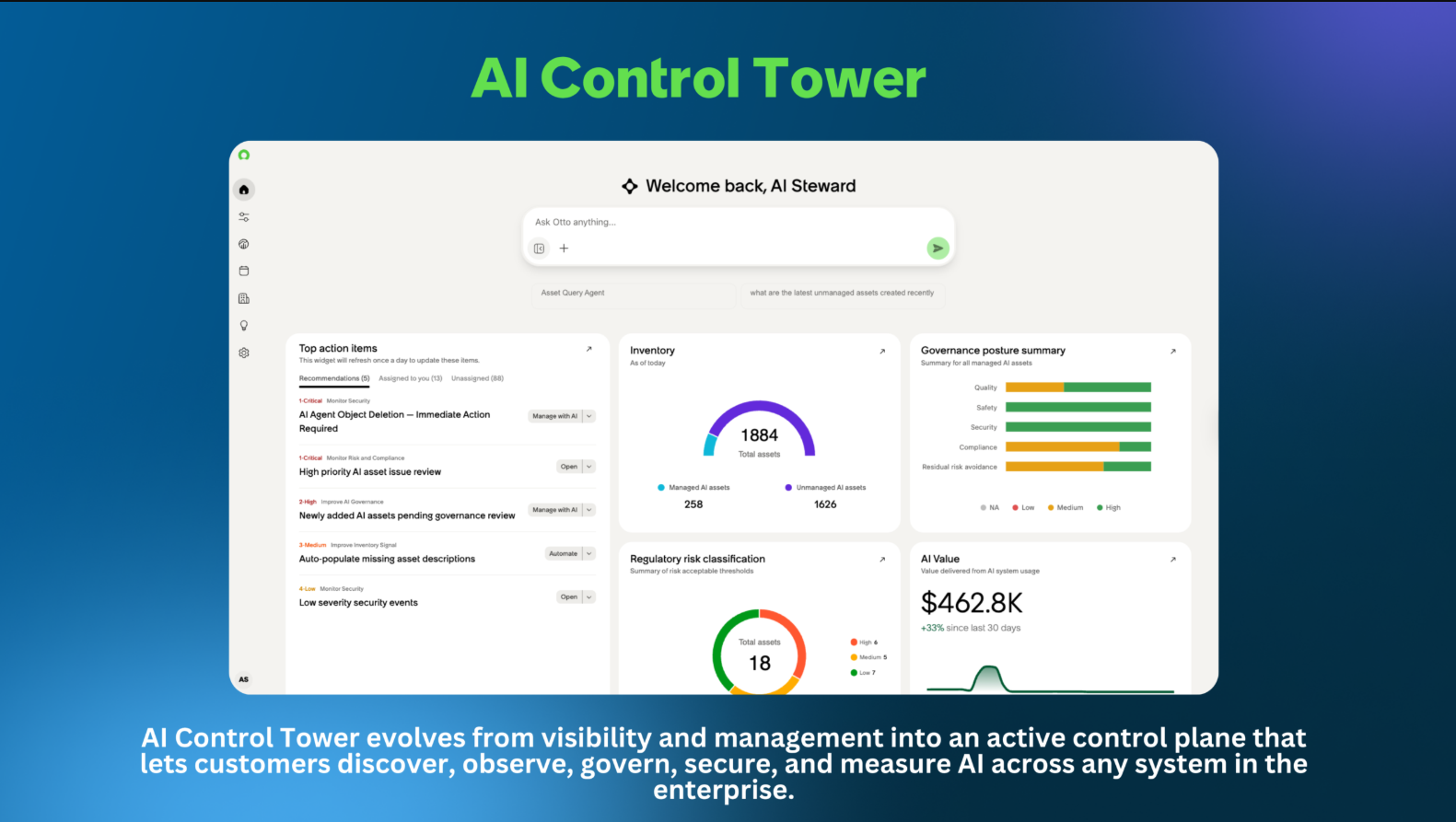
Central to this vision is the AI Control Tower, now significantly expanded with deeper governance, observability, real-time risk scoring, and an explicit kill switch for rogue agents. Crucially, it covers all AI in the enterprise — not just ServiceNow's — across AWS, Azure, Google Cloud, and Microsoft 365. New integrations with the recent Armis (asset visibility) and Veza (identity permissions) acquisitions strengthen the perimeter.
Autonomous specialists, not chatbots.
The biggest announcement was the broad rollout of Autonomous Workforce — role-based AI "specialists" that go far beyond copilots. Where a copilot suggests, a specialist completes: end-to-end processes with full audit trails, policy enforcement, and embedded handoffs to human teammates. ServiceNow grouped them into four operational domains.
Early customer signal is showing up. ServiceNow named three deployments live on stage:
Project Arc — desktop to data center, governed.
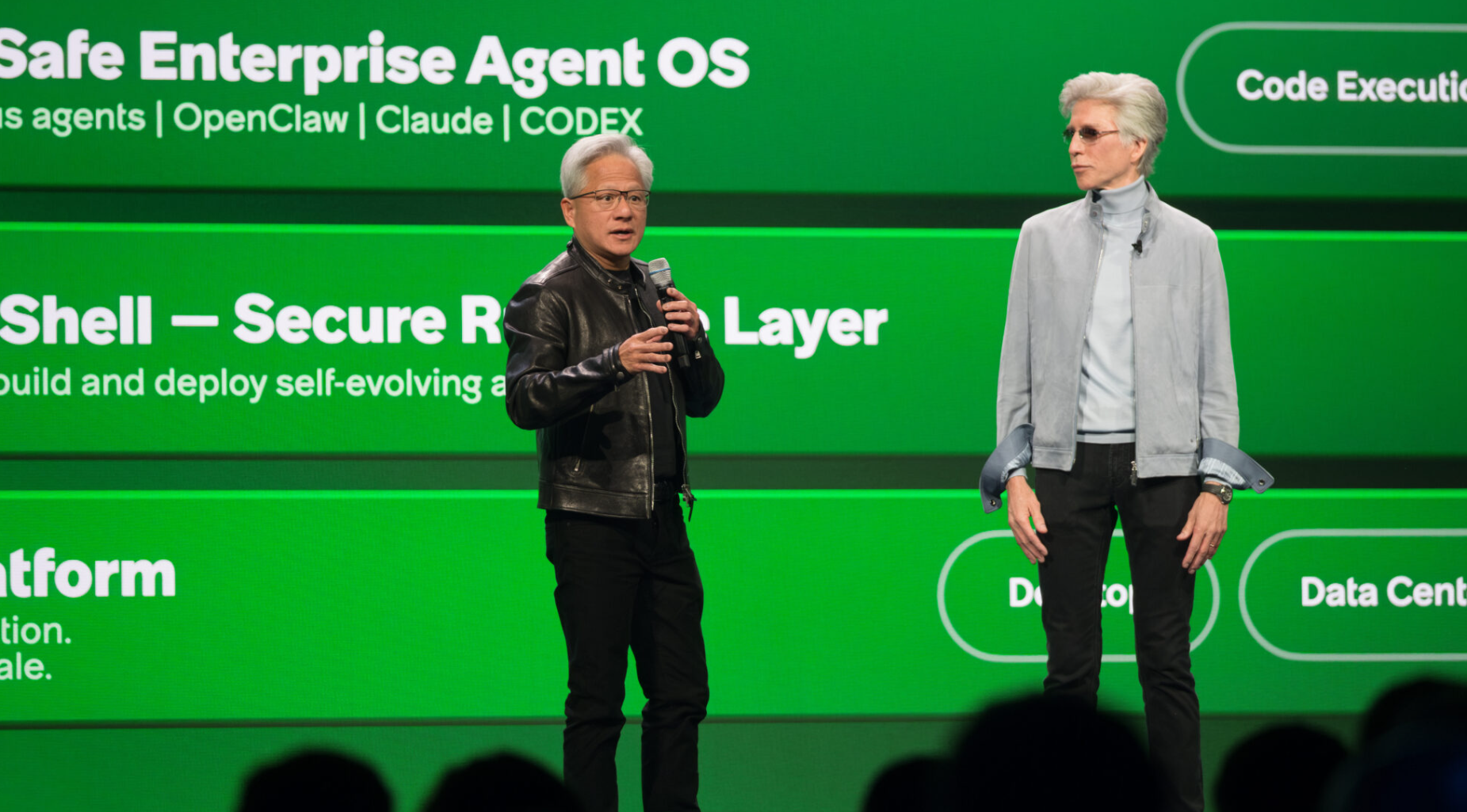
The keynote moment came when McDermott was joined on stage by NVIDIA CEO Jensen Huang for the unveil of Project Arc — a long-running, self-evolving autonomous desktop agent for knowledge workers. Built on open models with specialized skills, it runs inside NVIDIA OpenShell, a sandboxed runtime, and is fully governed by ServiceNow's AI Control Tower from desktop all the way to the data center.
Otto — one prompt, full execution.
ServiceNow also introduced Otto, a conversational AI experience that merges Moveworks technology with Now Assist into a single interface. Otto acts as the unified front door — reasons across systems, activates the right specialists for the task, and completes work end-to-end while staying grounded in enterprise policies and live data.
The on-stage live demo had Otto autonomously handling a complex surge-staffing preparation scenario without repeated prompting — pulling rosters, checking compliance, drafting communications, and queuing approvals as a single coherent action.
Other releases worth tracking.
Why this matters for enterprises.
- SIG / 01Operating SystemServiceNow as the AI OS for the enterprise.Workflow intelligence + governance layer + system of action — the three pieces required to move agentic AI out of pilot purgatory and into production at scale.
- SIG / 02VisibilityControl is no longer optional.Once dozens of agents are touching customer data, the audit trail is a board-level concern. Whoever owns the control plane owns the relationship.
- SIG / 03WorkforceLabor shortage meets agent abundance.The 50M-worker gap by 2030 is not a marketing line — it's the underlying market force pulling autonomous workforce adoption forward, even at organizations that are uncomfortable with it.
The verdict: governed autonomy just became the table stakes.
Organizations that treat AI as a governed workforce — rather than as scattered, ungoverned experiments — will likely lead the next decade of productivity gains. That is the bet ServiceNow placed in Las Vegas this week. The room agreed.
For developers and enterprises looking to integrate multi-model AI capabilities safely and cost-effectively, platforms offering unified API access to 300+ models can complement the ServiceNow ecosystem cleanly — handing the orchestration to the system of action while keeping model choice flexible.
Have you started exploring agentic workflows in your organization? Share your thoughts in the comments.